
Michele Di Marino & Stefano Zampaletta, Cementir Group, discuss the technologies driving the transition to low-carbon and circular construction materials.
World Cement Magazine | December, 2025
In a global industry historically associated with high emissions and resource consumption, Cementir Group is working to challenge the status quo. In Denmark, its subsidiary, Aalborg Portland, has set a bold trajectory to transform cement production from a carbon-intensive process to one that supports global climate goals and advances circular economy principles. At the heart of this transformation lies the development of low-carbon cement products, a roadmap to net-zero emissions, and a growing portfolio of initiatives that address biodiversity and sustainable resource use.
Lower-carbon alternatives
One of the most critical levers in Cementir Group’s decarbonisation strategy is product innovation. Cementir Group has made significant strides in reducing the clinker content of its cement – the primary source of CO2 emissions in production – by incorporating supplementary cementitious materials (SCMs). Aalborg Portland has pursued innovations such as limestone calcined clay cement FUTURECEM® and SOLID cement that blend traditional cement with low-carbon materials like calcined clay, chalk, and other byproducts.
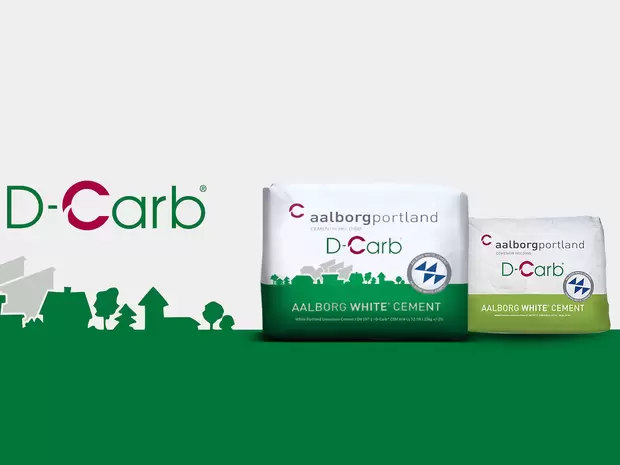
In 2024, the group launched Aalborg White D-Carb®, a blended white cement with a 15% lower carbon footprint than its CEM I 52.5R counterpart. This development followed years of R&D and extensive industrial-scale trials. The product maintains the high aesthetic and mechanical performance expected of white cement while offering a significantly reduced environmental impact.
These efforts reflect Aalborg Portland's strategic aim: to offer a full range of low-carbon cements by 2030, supporting the green transition of the construction industry without compromising quality, workability, or durability.
To support this transition, Aalborg Portland collaborates closely with customers and downstream partners. Adjustments in concrete recipes, construction methods, and material logistics are being jointly explored to ensure that low-clinker cements meet the practical demands of the building industry.
Beyond new product development, Aalborg Portland is also investing in fundamental material science. Extensive research is being conducted on alternative SCMs, including natural pozzolans and industrial byproducts such as slag and fly ash, to further decouple cement production from high-carbon inputs. A dedicated R&D team is testing combinations that improve durability, workability, and environmental performance.
In particular, future versions of FUTURECEM are being refined to meet specific use cases, such as precast elements, infrastructure applications, and repair mortars. These specialised variants are designed to deliver superior performance under varying curing conditions and structural demands, ensuring that sustainability is built into every segment of the market.
“We are clearly seeing a growing trend among our customers preferring FUTURECEM. This reflects that both developers and the concrete and construction industries are actively transitioning in a market that increasingly demands environmentally responsible building practices. It’s a very positive development and a strong indication that our focus on developing new, CO2-reduced cements benefits both our customers and the climate,” says Cementir Group’s Chief Sales, Marketing & Commercial Development Officer, Michele Di Marino.
Product certifications and compliance with EN standards are rigorously ensured. Aalborg Portland also actively engages in industry-wide initiatives to adapt and modernise product standards to better reflect the capabilities of modern, sustainable cements.
Aalborg Portland’s proactive EPD strategy further supports customer decision-making. With EPDs updated annually and aligned with building regulation timelines, designers and contractors are empowered to make informed choices in carbon-sensitive procurement contexts.
By aligning product development with regulatory trends and real-world performance needs, Aalborg Portland’s innovation strategy demonstrates how traditional materials can evolve to meet the climate challenge head-on.
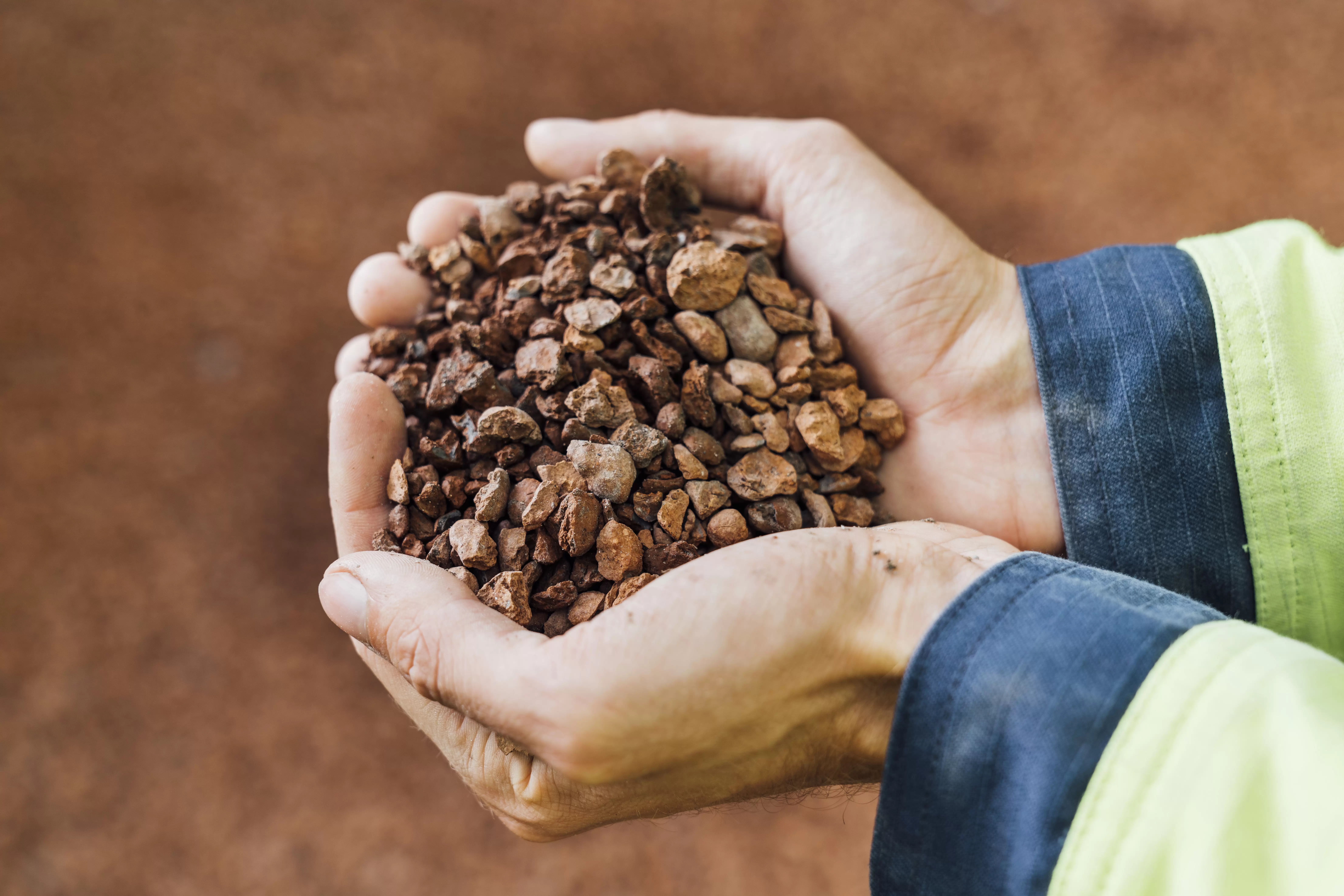
Calcined clay a low carbon material was used in the production of Futurecem.
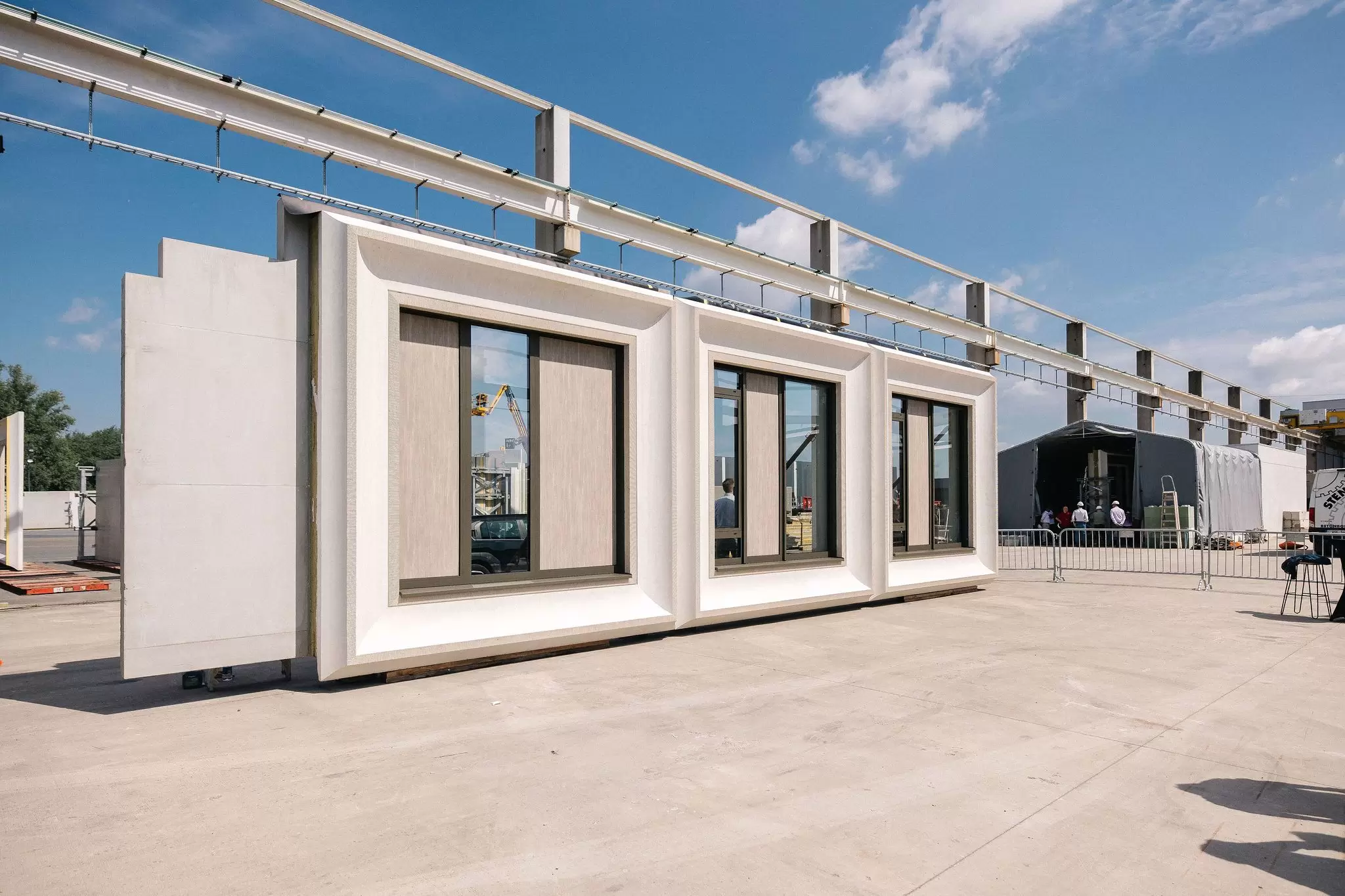
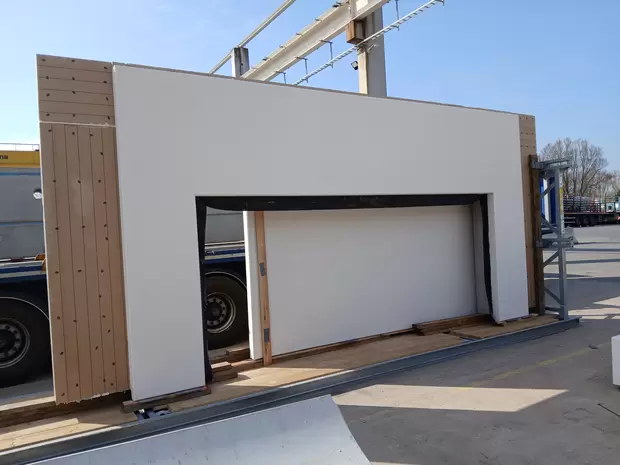
Façade frames of Hospital Jan Portaels in Brussels, Belgium, were produced using D-Carb by C-concrete.
Carbon neutrality by 2030: an ambitious but realistic goal
Aalborg Portland has committed to achieving full carbon neutrality for its Scope 1 emissions by 2030, a target made possible through a combination of three integrated pillars: alternative fuels (AFs), innovative products, and carbon capture.
“Aalborg Portland is committed to being part of the solution to Denmark’s climate ambitions, and we are now taking a major step forward with a highly ambitious yet realistic goal of becoming CO2-neutral in our own emissions by 2030. In doing so, we not only make a significant contribution to Denmark’s 2030 targets, but we also set a completely new standard for cement production here in Denmark,” says CEO Søren Holm Christensen of Aalborg Portland.
By replacing fossil fuels with alternative energy sources such as refuse-derived fuels (RDF), meat and bone meal, cashew nutshells, and textiles from used tyres, Aalborg Portland increased its thermal substitution rate (TSR) to a record 49.2% in 2024. The grey cement kiln even reached 100% TSR in select periods. Ongoing testing and fuel optimisation have been critical in identifying the best-performing waste fuels.
Additionally, Aalborg Portland is investing heavily in carbon capture and storage (CCS). In partnership with Air Liquide, Aalborg Portland has launched the ACCSION project – a full-scale CCS initiative set to capture 1.4 million tpy of CO2, equivalent to 55% of the company’s 2021 emissions. The project received €220 million in EU Innovation Fund support and is among the first of its kind in Europe. Beyond capture, the project will integrate recovered heat into Aalborg’s district heating system, creating further environmental synergies.
The implementation of ACCSION also benefits from earlier pilot projects like CORT and ConsenCUS, where small-scale capture technologies were tested and validated. These initiatives allowed Aalborg Portland to refine its capture strategies and build a knowledge base that supports the current full-scale rollout. With 36% of Scope 1 emissions already reduced by 2024, Aalborg Portland is well on its way to meeting its 2030 milestone.
“We have already come a long way on our climate journey, having managed to cut CO2 emissions by more than a third in just three years. We have primarily achieved this by transitioning our production to use a greater share of AFs, and our ambitions for this part of our climate plan remain unchanged. We expect to further increase the share of biogenic fuels in the coming years, and the integration of natural gas followed by biogas is also drawing closer. Combined with our upcoming carbon capture facility, we will thus be able to capture all of our direct CO2 emissions,” explains Søren Holm Christensen, CEO at Aalborg Portland N&B.
Circularity and smart use of resources
Cement production is inherently resource-intensive, but Aalborg Portland has demonstrated that with innovation, it can also be circular. The company uses industrial waste products as alternative raw materials and fuels, reducing landfill needs and reliance on virgin resources. Waste streams from other industries – such as fly ash, used tyres, and agricultural byproducts – are valorised in cement production, contributing to circular economy goals.
Efforts are also underway to redesign supply chains to accommodate the logistics of AFs. This includes just-in-time models, long-term strategic supplier partnerships, and on-site investments for proper storage and handling of diverse fuel types.
In 2024, the integration of cashew nutshells proved particularly successful, enhancing not only fuel substitution but also cement quality and kiln stability. Similarly, meat and bone meal (MBM) played a crucial role in boosting TSR while simultaneously offering a sustainable outlet for high-risk organic waste.
Transparency through EPDs and lifecycle analysis
Transparency is a cornerstone of Aalborg Portland's sustainability agenda. All cement types now have environmental product declarations (EPDs) based on full lifecycle assessments. These EPDs are verified by third parties and updated annually to support compliance with regulations such as Denmark's BR25 building code, which imposes stricter carbon limits for new constructions from July 2025.
To align with customer needs and legislative timelines, Aalborg Portland has implemented a fixed EPD update cycle. Cement buyers are notified of EPD updates in advance, allowing them to integrate the data into their own planning and construction models. This proactive step helps bridge the gap between upstream cement improvements and downstream carbon accounting in buildings.
Biodiversity and land rehabilitation
Aalborg Portland owns over 1200 hectares of land in Rørdal, including chalk quarries, farmland, and natural habitats. Recognising its responsibility as a land steward, the company has developed a comprehensive plan for the rehabilitation of the Rørdal Chalk Pit. This includes transforming former quarry areas into a recreational lake park with hiking, mountain biking, and water sports facilities, while ensuring the area thrives in biodiversity.
In 2024, the breeding of Eurasian eagle-owls in the Rørdal quarry was documented – a powerful testament to the site's ecological potential. Additional efforts include restoring native plant habitats, establishing biodiversity corridors, and collaborating with local wildlife organisations to monitor species development.
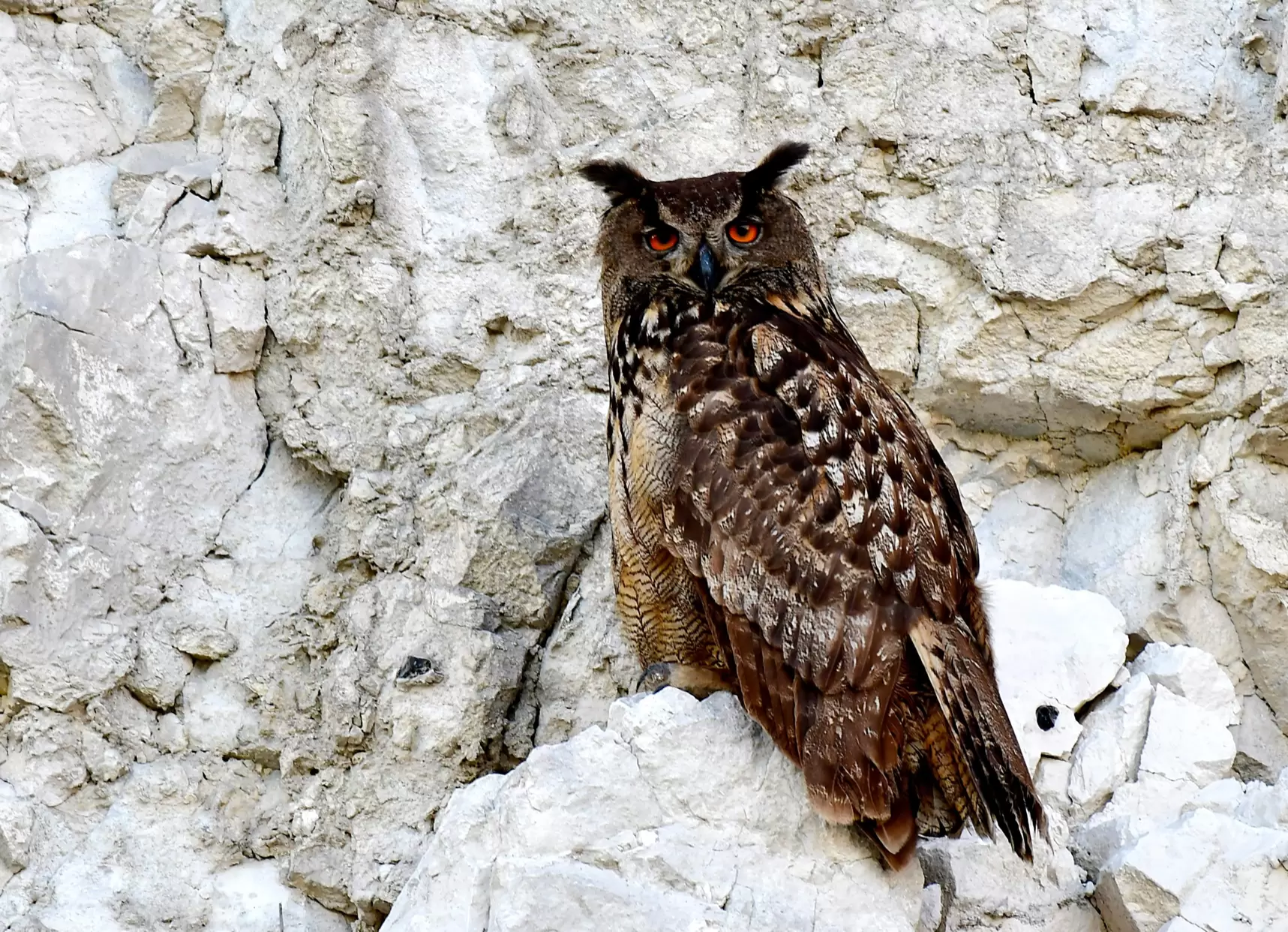
The breeding of Eurasian eagle-owls in the Rordal quarry was documented.
A broader commitment to ESG values
Sustainability at Aalborg Portland is not limited to emissions and biodiversity. Aalborg Portland’s ESG strategy is embedded in its governance model, aligning closely with the Cementir Group’s global sustainability framework. From diversity and safety programmes to third party-certified environmental and quality management systems (ISO 9001, 14001, 50001, 45001), Aalborg Portland is strengthening its organisational resilience.
Internally, Aalborg Portland fosters a safety-first culture. Lost time injuries (LTI) among employees dropped to zero in 2024, a milestone reflecting consistent training, monitoring, and hazard prevention protocols. While contractor LTI rates remain a challenge, Aalborg Portland is introducing additional supervision and engagement practices to ensure parity.
A model for industrial sustainability
Aalborg Portland's integrated approach – combining product innovation, carbon capture, circular resource use, and biodiversity restoration – illustrates what industrial sustainability can look like in practice. Aalborg Portland is not just reacting to regulatory pressures; it is helping to shape the future of low-carbon construction.
In the years ahead, the company will continue to share insights and best practices with industry peers, policymakers, and academia. This commitment to openness, innovation, and continuous improvement may prove to be the true cement holding the green transition together.
Attachments
Green by Design | World Cement Magazine December, 2025
Authors
Michele Di Marino
Chief Sales, Marketing & Commercial Development Officer, Cementir Holding
He joined Cementir Holding in 2010, working in Copenhagen, Denmark. As the Commercial and Business Development Director, consolidating the leadership position White Cement in Europe and working on several growth and strategic projects. In 2017, he relocated to Rome and took on the role of Group Chief Sales, Marketing & Commercial Development Officer, leading global commercial strategy. He is pursuing the Sustainability & Innovation agenda.
Stefano Zampaletta
Group Product Development Manager, Cementir Group
Stefano Zampaletta is currently working for Cementir Holding as Group Product Development Manager. He is in charge of defining and coordinating the Group sustainability roadmap for a lower carbon product range and its roll-out at Group and Local level to support Group’s CO2 emission reduction targets. Within this he is co-leading FUTURECEM® as Group Initiative: a green and sustainable solution for cement and concrete technology. He is also coordinating innovation activity on cement-based solution and products within InWhite Solutions®. During his 20 years-experience in cement and concrete industry, he also covered different positions in technical assistance, quality control and R&D.
Recommended Posts
Cementir Group Expands D-Carb® Family in MEA Markets
Empowering the Lower-Carbon Transition in Grey and White | International Cement Review
Share on