
Shanghai Xintiandi stands as a landmark of urban regeneration and commercial vitality, embodying the ongoing dialogue between historical continuity and contemporary life. Within this iconic district, the Xintiandi DONGTAILI represents the latest commercial intervention of Kokaistudios.
Defined by a GRC cementitious façade with rich tactile textures, the architecture subtly references the traditional plastered surfaces characteristic of the area. Through this material and spatial strategy, the project introduces renewed commercial energy and social vibrancy, reinforcing Xintiandi as a contemporary urban destination.
In this interview, we speak with Pietro Peyron, Associate Partner and Architecture Design Director at Kokaistudios, the lead architect of this project, who unpacks its full journey from vision to realization and shares the multidimensional considerations that shaped its final form.
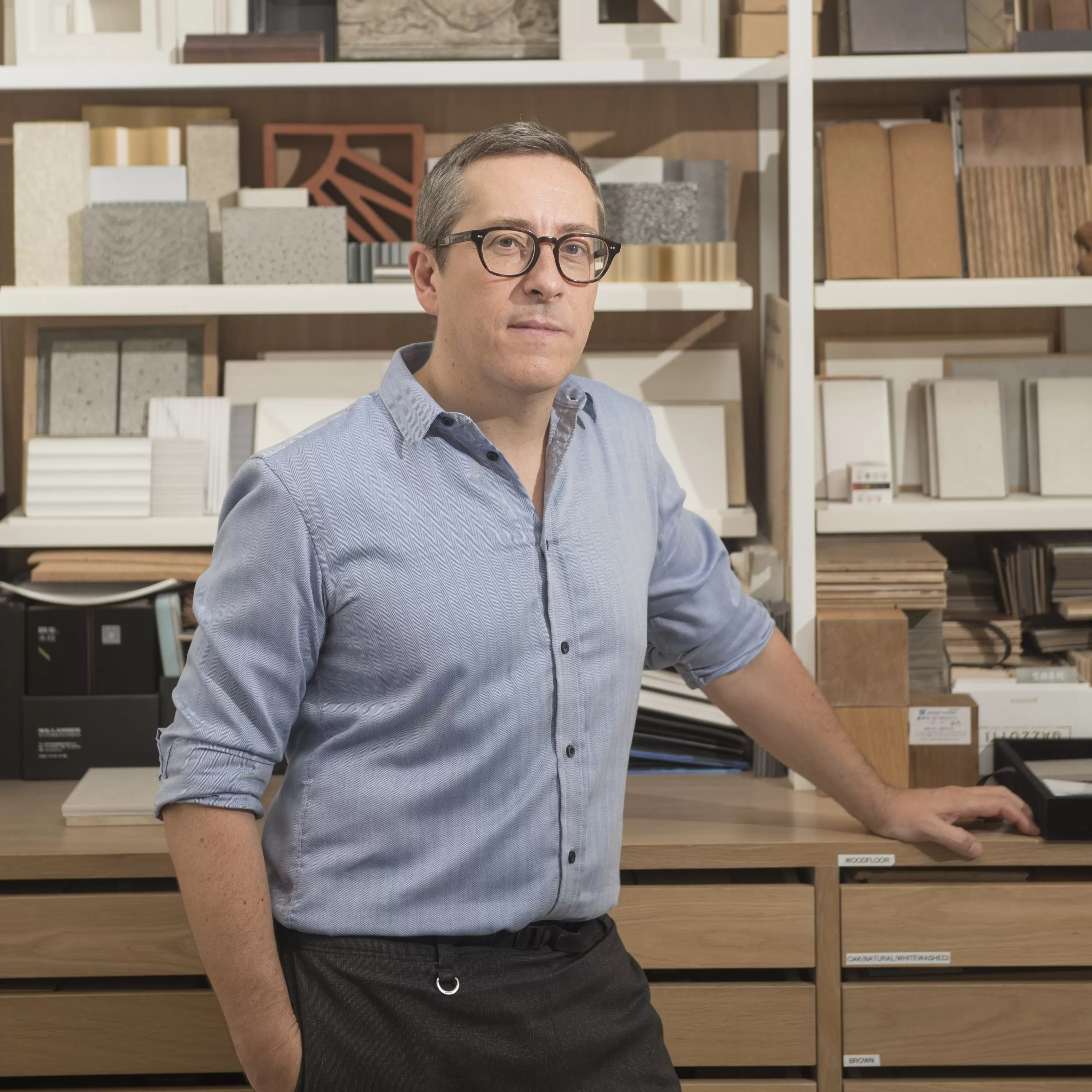
“Renewal was understood as continuity rather than replacement.
The commercial architecture was conceived as an extension of the public realm—porous, walkable, and urban in character.
Contemporary GRC façade elements reinterpret traditional Shanghai plaster with subtle texture and depth, balancing modern construction with a tactile, human quality.”
1. The Xintiandi DONGTAILI, led by Kokaistudios, features a 6,500 m² canopy dome that connects and defines the commercial space. As the architecture design leader of this project, could you briefly share the core design vision and key highlights? What kind of commercial experience were you aiming to create?
Kokaistudios: Xintiandi DONGTAILI is the result of a close collaboration between two lead designers KPF, architects of the three office towers and the glass dome, and Kokaistudios, responsible for the 80,000 sqm commercial podium architecture and interiors, working with our long-term client Shui On. From the outset, we shared a common vision: to create a human-scaled, pedestrian-centered commercial venue rooted in history and consistent with the Grand Xintiandi precinct, of which this project represents the latest chapter.
Rather than treating the podium as a secondary base or an introverted ‘box-like’ indoor mall, the commercial architecture was conceived as an extension of the public realm—porous, walkable, and urban in character, divided in five independent buildings connected by aerial walkways and a common basement. The dome acts as a spatial connector, while the podium unfolds as a sequence of streets, courtyards, and interior–exterior transitions. The aim was to create a civic, everyday environment that encourages social interaction and continuity with the surrounding Xintiandi fabric.
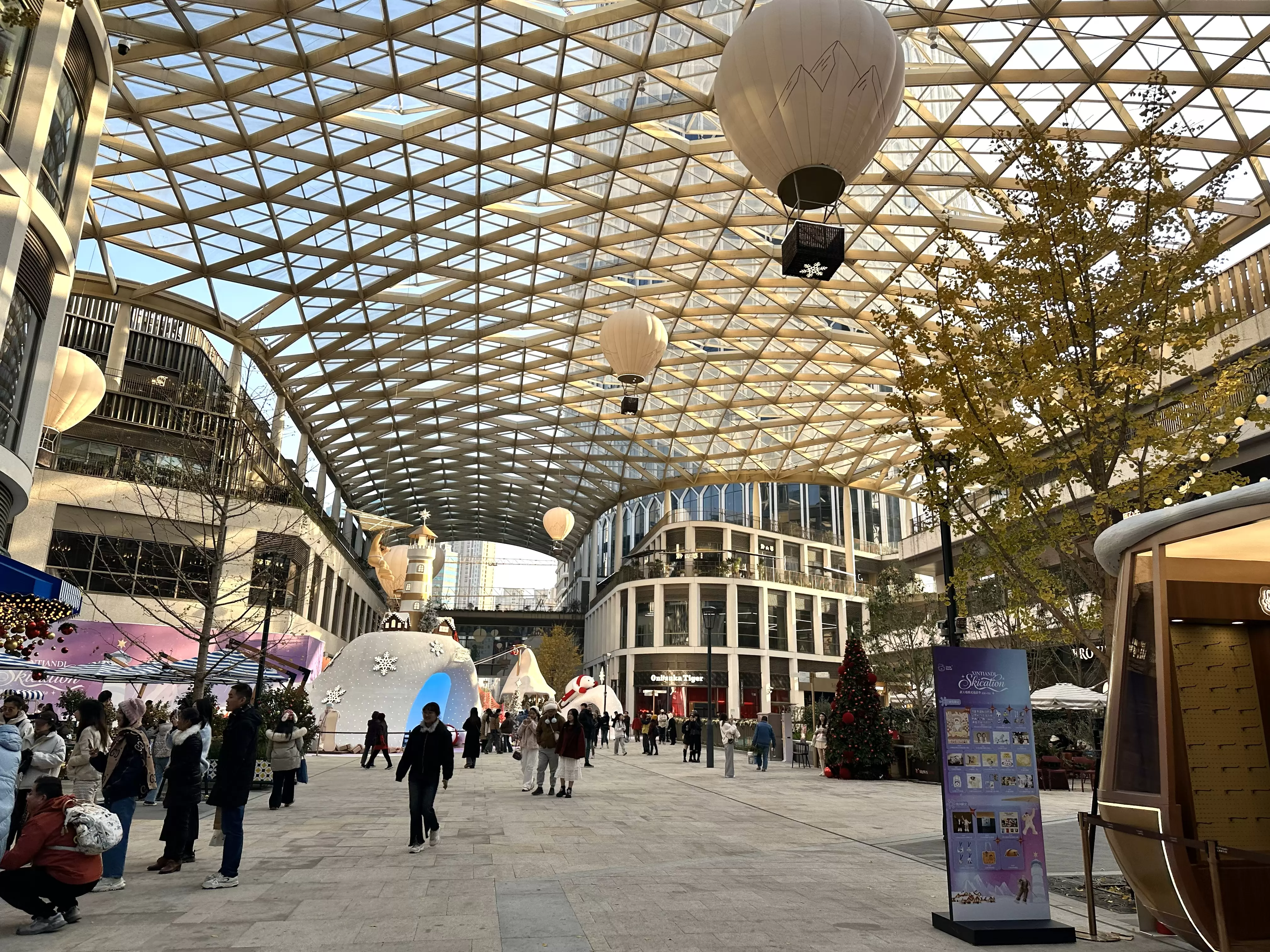
Xintiandi DONGTAILI Plaza- A canopy-covered space with GRC-clad podiums, designed for all-weather activities and natural light.
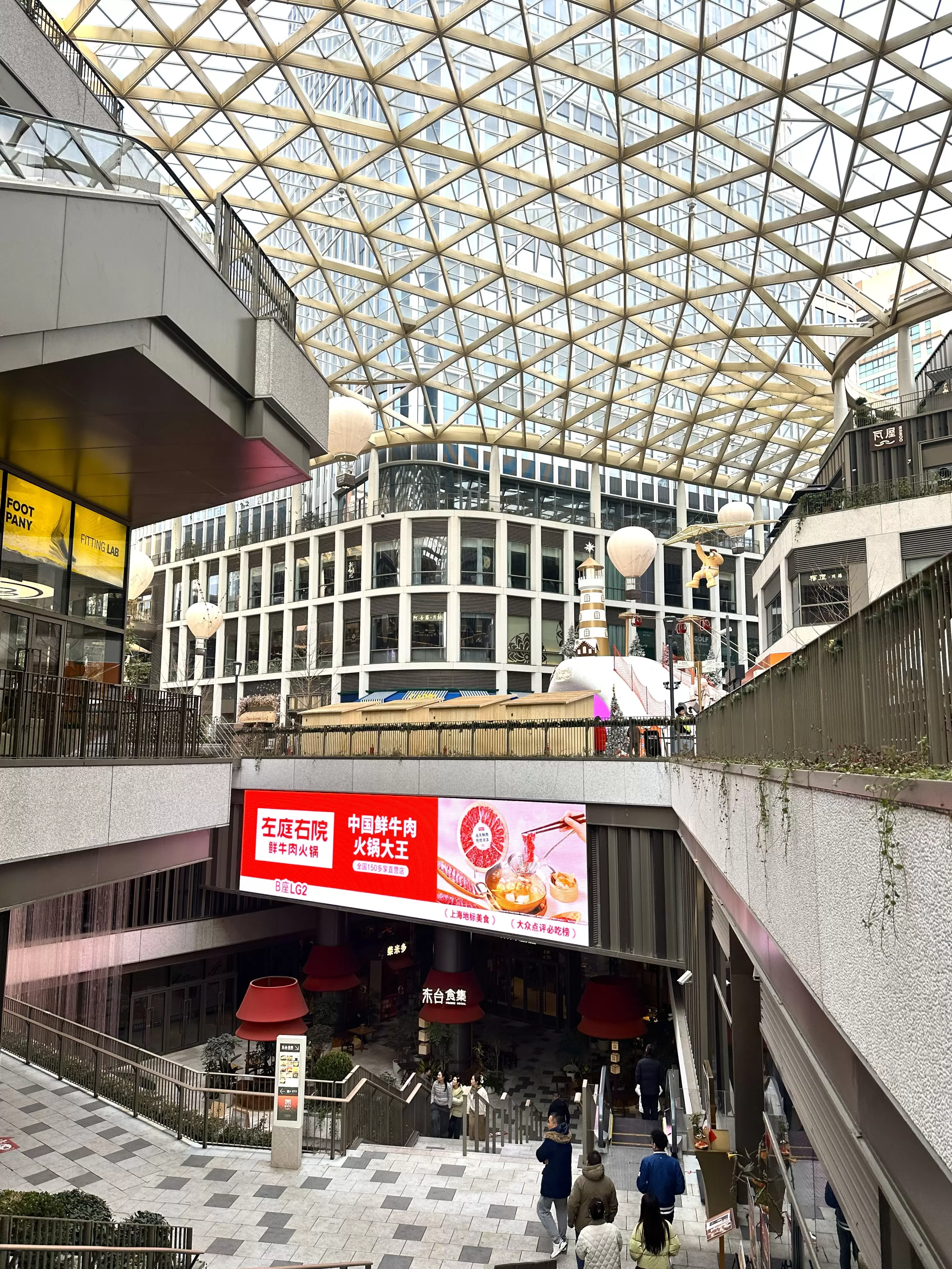
A sunken terrace and plaza add layered commercial and leisure experiences.
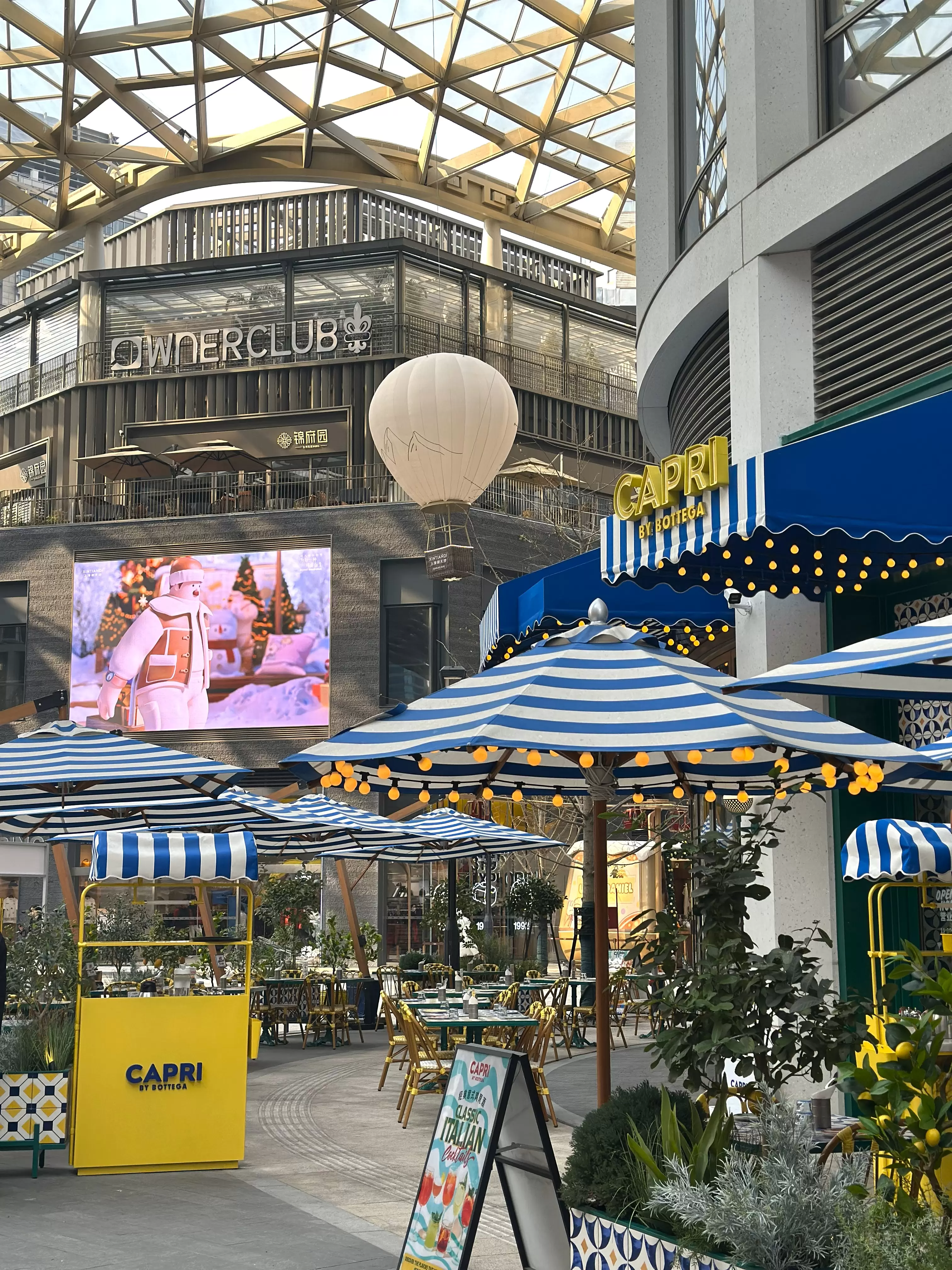
The project merges retail, dining, and public areas to encourage social engagement
2. In China, e-commerce and instant delivery have transformed consumer behavior, often at the expense of the traditional shopping experience. Do you believe well-designed retail/commercial spaces can restore emotional and social connections? How does Xintiandi DONGTAILI respond to the growing demand for experiential retail from the perspective of architecture design?
Kokaistudios: While e-commerce has transformed consumer behavior, it has also reinforced the unique value of physical space. Architecture cannot compete on speed or convenience, but it can offer atmosphere, memory, and shared experience. At Xintiandi DONGTAILI, we approached the project as an urban experience first, and a retail destination second.
The design emphasizes walkability, spatial richness, and visual continuity. Circulation is conceived as a network of streets rather than enclosed corridors, with frequent moments for pause and encounter. Daylight, vertical connections, and layered views help visitors remain oriented and engaged.
By blurring boundaries between retail, dining, and public space, the architecture supports social life beyond consumption. Events, informal gatherings, and everyday routines are all accommodated, responding to experiential retail through spatial quality rather than spectacle.
3. Dongtai Road holds strong cultural and personal significance for many locals. This site is also tied to my own childhood memories. Your architecture design not only introduces new commercial functions but also evokes a sense of familiarity. How did you balance renewal with cultural memory/history? What design elements/details reflect your respect for historical authenticity and emotional continuity?
Kokaistudios: As residents of Shanghai for over 20 years, we also had direct experience and cherished memories of the old Dongtai Rd, its antiques market, its scale, its residents and atmosphere. We were aware of its strong historical and emotional significance, and respecting this legacy was central to our approach. Renewal was understood as continuity rather than replacement. This is expressed both in the new architecture and in the adaptive reuse of two important historic buildings: the former Bile School and the Zhang Taiyan former residence.
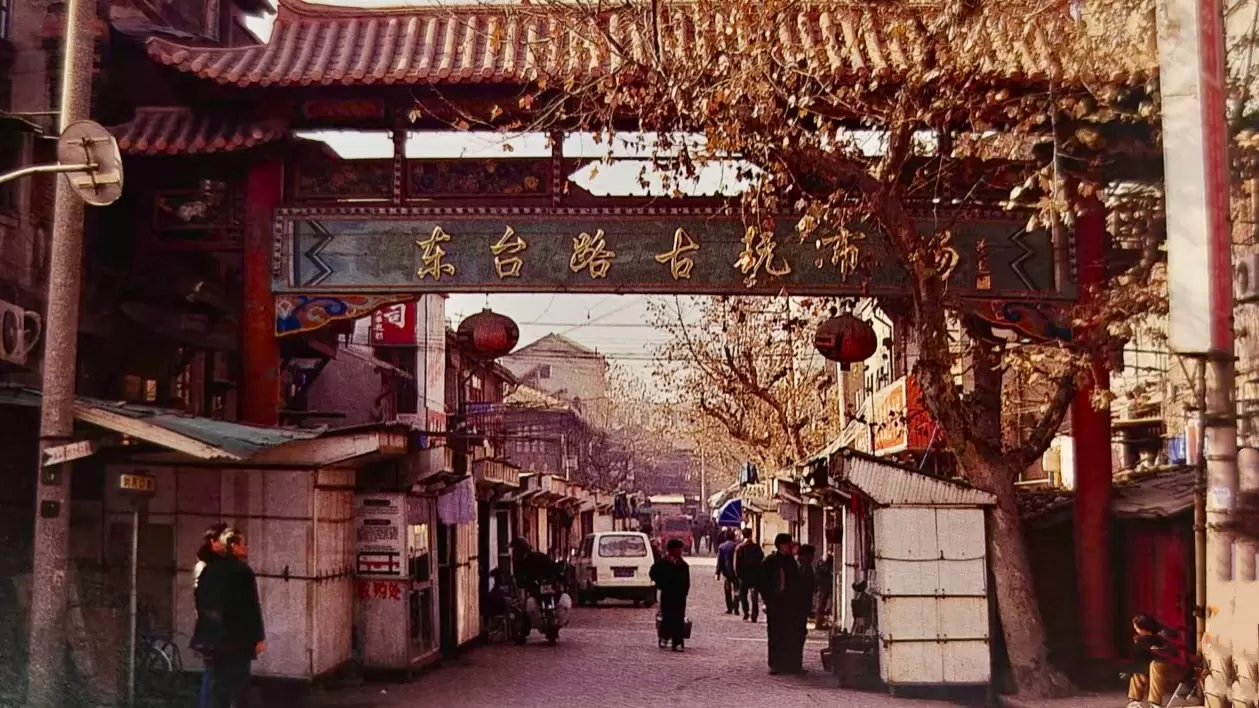
The project was developed on the site of the former Dongtai Road Antique Market.
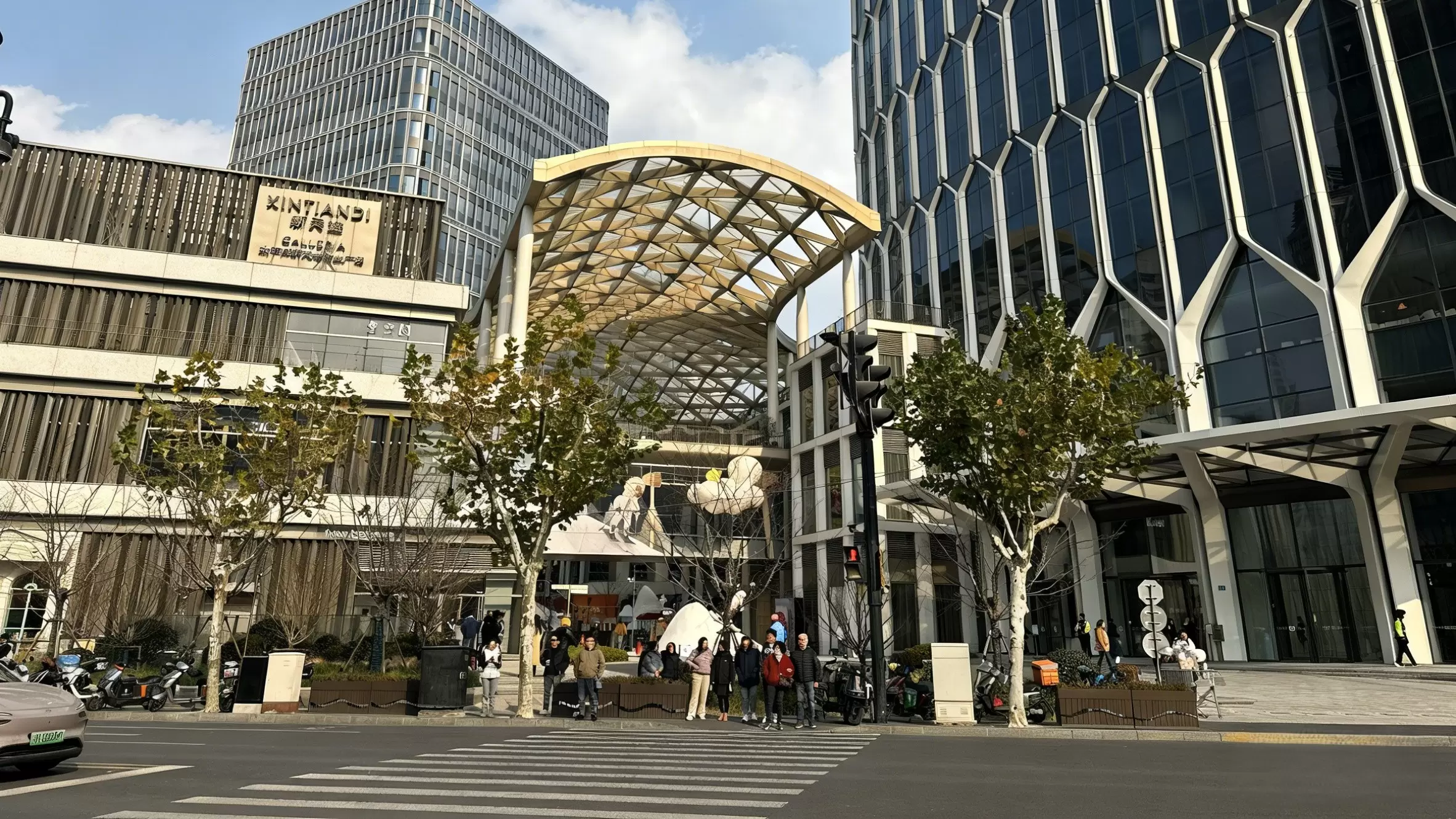
Now the project anchors the Pacific Xintiandi complex comprising a 250m signature office tower, two 100m office towers, and the DONGTAILI retail district.
These structures were carefully preserved and integrated into the commercial masterplan, remaining active parts of daily urban life rather than isolated artifacts. They anchor the project in real history and provide a tangible connection to the site’s cultural layers.
In the new podium, familiarity is conveyed through scale, rhythm, and material sensibility rather than literal imitation. Contemporary GRC façade elements reinterpret traditional Shanghai plaster with subtle texture and depth, balancing modern construction with a tactile, human quality.
4. Kokaistudios has delivered numerous commercial and office projects across China. How do you define sustainable design today—beyond materials and energy use? What specific sustainability measures were adopted in this project?
Kokaistudios: At Kokaistudios, sustainability is defined by longevity—cultural, spatial, and functional—rather than by technical performance alone. A sustainable commercial building must remain adaptable to changing retail models while retaining identity and relevance.
At Xintiandi DONGTAILI, this approach informed both planning and design. Flexible floorplates, generous public circulation, and adaptable retail units allow the podium to evolve without major structural intervention. The integration and continued use of historic buildings further reinforces sustainability by extending the life of existing resources and embedding cultural value.
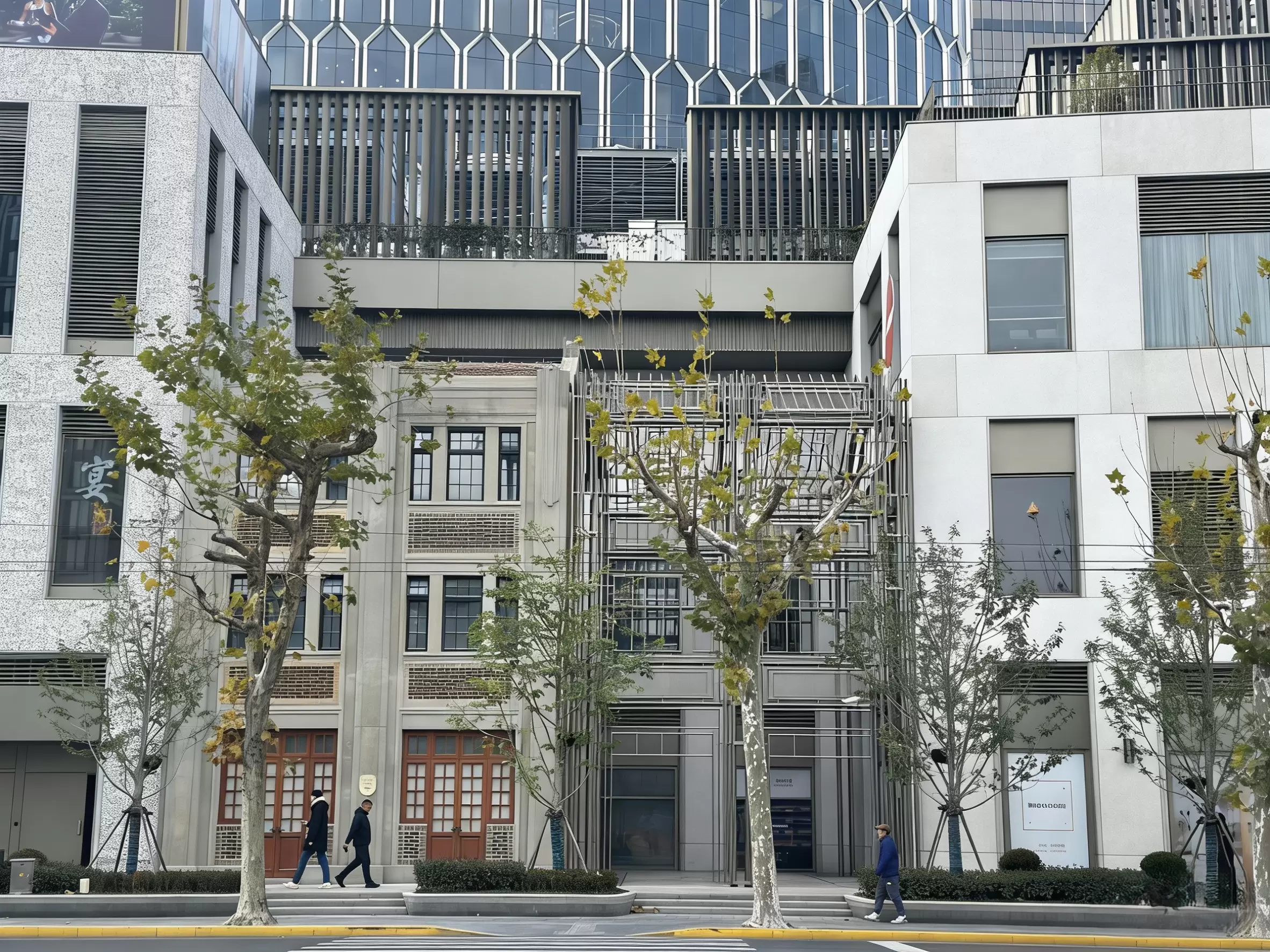
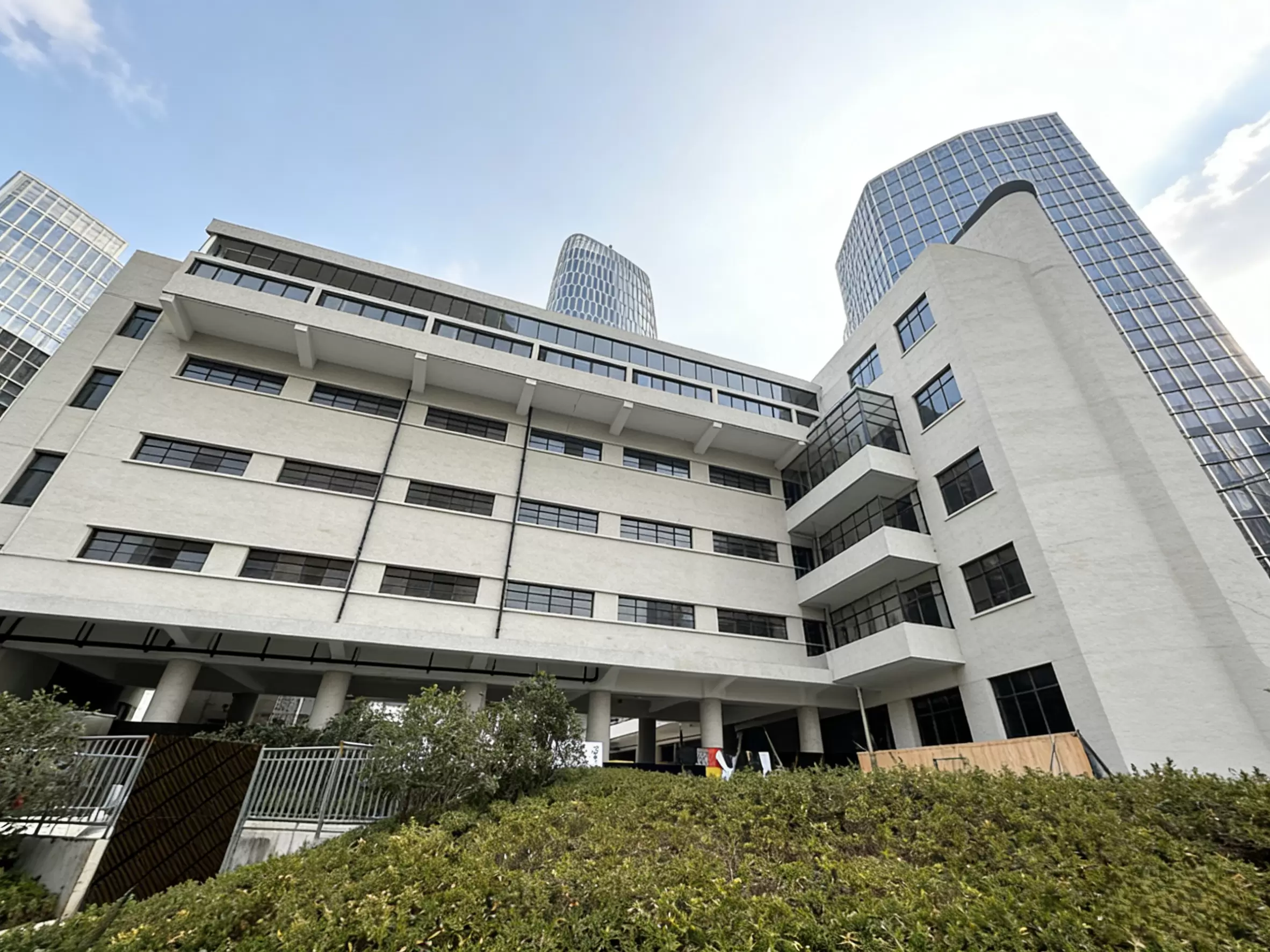
Two historic structures, former Zhang Taiyan residence(left) and the Bile School(right), were carefully relocated, preserved, and restored within the site.
Environmental strategies such as daylight optimization and reduced reliance on fully enclosed, mechanically intensive spaces support operational efficiency. Ultimately, by creating a place that people value and use daily, the project encourages long-term care and reuse—an essential but often overlooked dimension of sustainable design.
5. Rapid urban renewal in China has led to increasing uniformity in architectural form and spatial experience across cities. How does Kokaistudios approach this challenge? How can architects preserve local identity amid standardized design practices? What design concept do you/Kokaistudios use to move beyond formulaic, repetitive solutions?
Kokaistudios: The increasing uniformity of commercial architecture often results from standardized solutions applied without sufficient regard for context. At Kokaistudios, site specificity is fundamental to our practice. Every project begins with a close reading of its physical, cultural, and social conditions, which directly shape the design.
At Xintiandi DONGTAILI, local identity is expressed through spatial logic, scale, and atmosphere rather than iconic form. The architecture responds to Shanghai and to Xintiandi in particular, prioritizing human experience and continuity with the surrounding urban fabric.
The materiality itself, the use of precast GRC panels used for exterior and interior facades, functions as a contextual tool rather than a stylistic gesture, allowing contemporary construction to echo the softness and craft of traditional plaster. By grounding each project in its specific place, we move beyond formulaic solutions and create architecture that feels authentic and irreproducible.
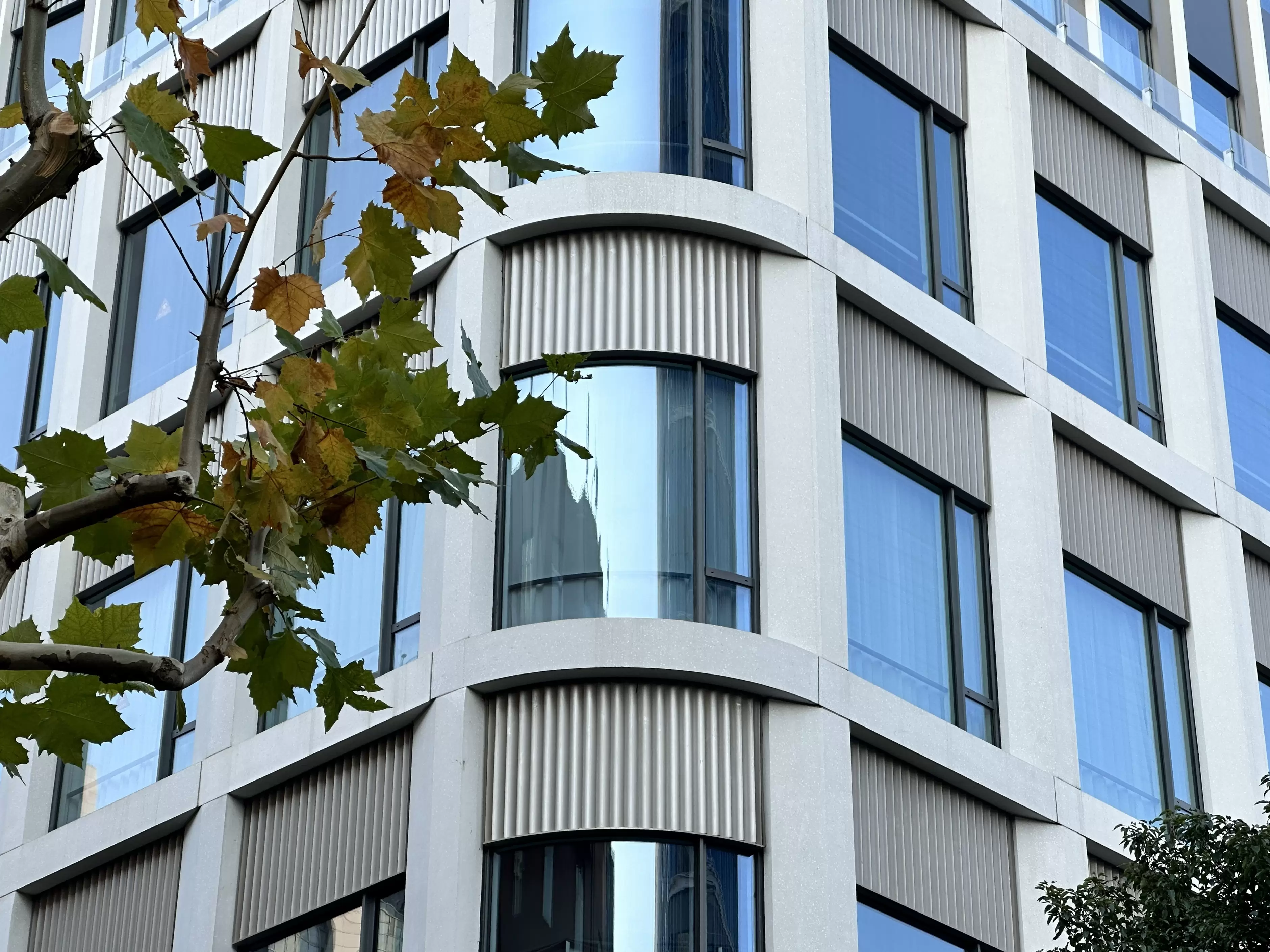
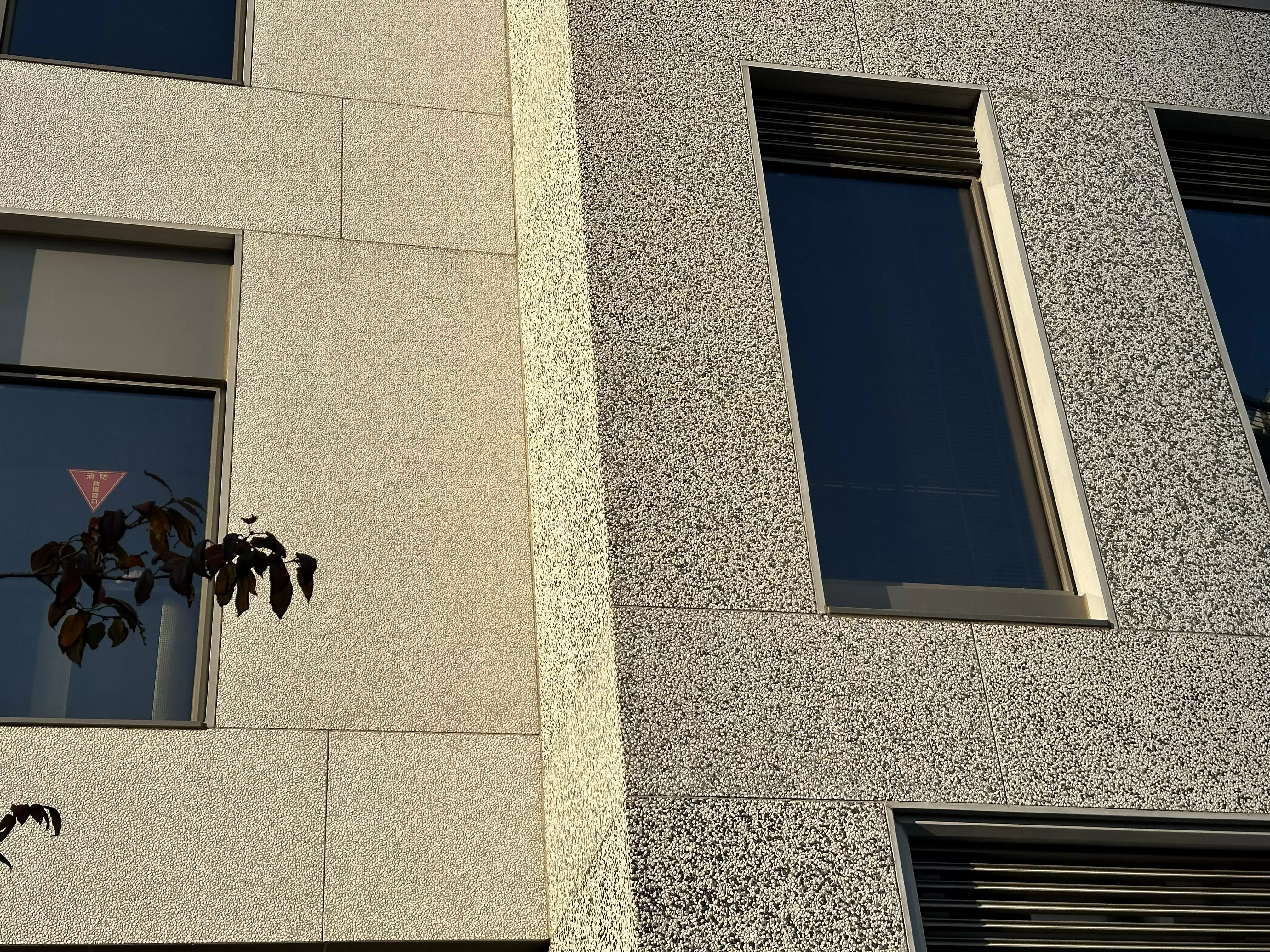
The textured GRC façade elements, made with AALBORG WHITE cement and produced by Jiangsu Huiquan Precast, draws inspiration from the architectural history of this area.
For a deeper exploration of the GRC façade made with Aalborg White at the Xintiandi Dongtaili project, read our earlier article.
Authors
Pietro Peyron
Associate Partner / Architectural Design Director at Kokaistudios
He joined Kokaistudios in 2010 as Architecture Design Director. He is the leader of Kokaistudios' architectural team and has been involved in or in charge of the execution of Kokaistudios' urban renewal projects in the core districts of the major cities in China, including: Shanghai K11 Art Mall, Shanghai CITIC Sqaure, Beijing CRLand Instreet, Shanghai Vanke Anting Central Plaza, Shaoxing CRLand 871 Chip Factory and other commercial renovation projects; Shanghai Xintiandi DONGTAILI, Shanghai Suhe MixC World, and other commercial new construction projects; office projects such as Beijing Poly Plaza; Tsinghua University Law Faculty Library, Shanghai Xintai Warehouse, Nanjing OCT Exhibition Center, and other cultural and public construction projects. These projects have won Kokaistudios many international awards.
Recommended Posts
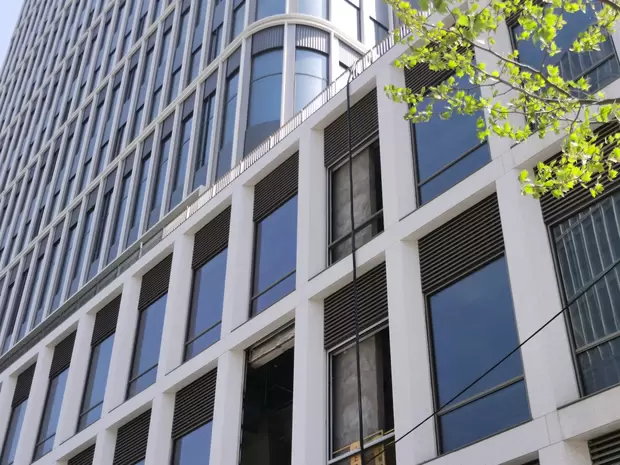
Shanghai XinTianDi DongTaiLi New Shopping Mall: Expressive GRC Façade and Tactile Textures
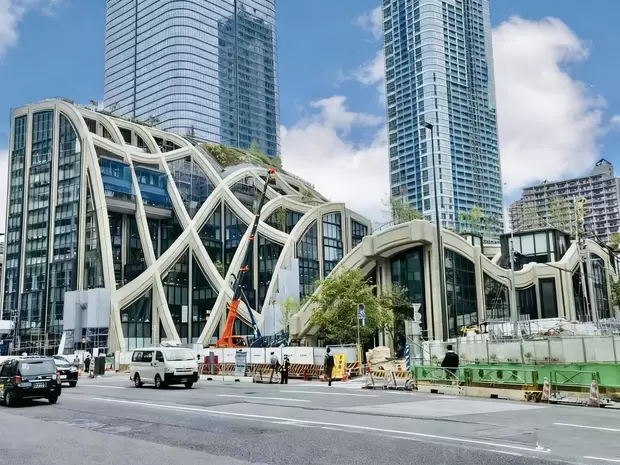
Weaving the City: The "Net Frame" GRC Façade of Azabudai Hills, Tokyo
Share on