
To most people, cement might just be cement, but at the North Jutland-based precast concrete factory Hi-Con, it is a crucial ingredient. They specialize in what is known as UHPC — Ultra-High Performance Concrete — designed to be far stronger and more durable than traditional concrete. Because the demands placed on the material are so extreme, the role of cement in the mix is vital to achieving the right quality.
However, what do you do when building regulations tighten and the market suddenly shifts so that CO2 reduction becomes a decisive competitive factor? How do you alter the recipe to reduce the carbon footprint without compromising on all the well-known, high-quality properties customers demand?
This is precisely where the long-standing collaboration between Aalborg Portland and Hi-Con comes into play, facilitating the transition from traditional white cement to Aalborg White D-Carb.
When working with such extreme concrete strengths as Hi-Con does, you do not simply swap out a raw material overnight. A transition like this requires extensive laboratory testing and advisory support to ensure that quality, strength, and durability remain at the absolute top before the new mix enters production.
The solution was to switch to the limestone-based Aalborg White D-Carb, which delivers a 15% lower carbon footprint compared to traditional white cement. As a result, the North Jutland precast manufacturer has significantly reduced its footprint — without compromising on the uncompromising quality required by their specialized concrete.
For Hi-Con, which specializes in producing UHPC (Ultra High Performance Concrete), thorough documentation and technical precision are paramount. In this process, Aalborg Portland’s specialized knowledge and laboratory facilities have been an essential piece of the puzzle during the transition to Aalborg White D-Carb.
"We are a knowledge-intensive company. We produce a type of concrete that falls outside standard codes and norms. Therefore, we have a greater need to test and document our concrete than other concrete producers," explains Lasse Frølich, Engineer and Project Manager at Hi-Con.
Stricter Requirements Mean Increased Focus on EPD Figures
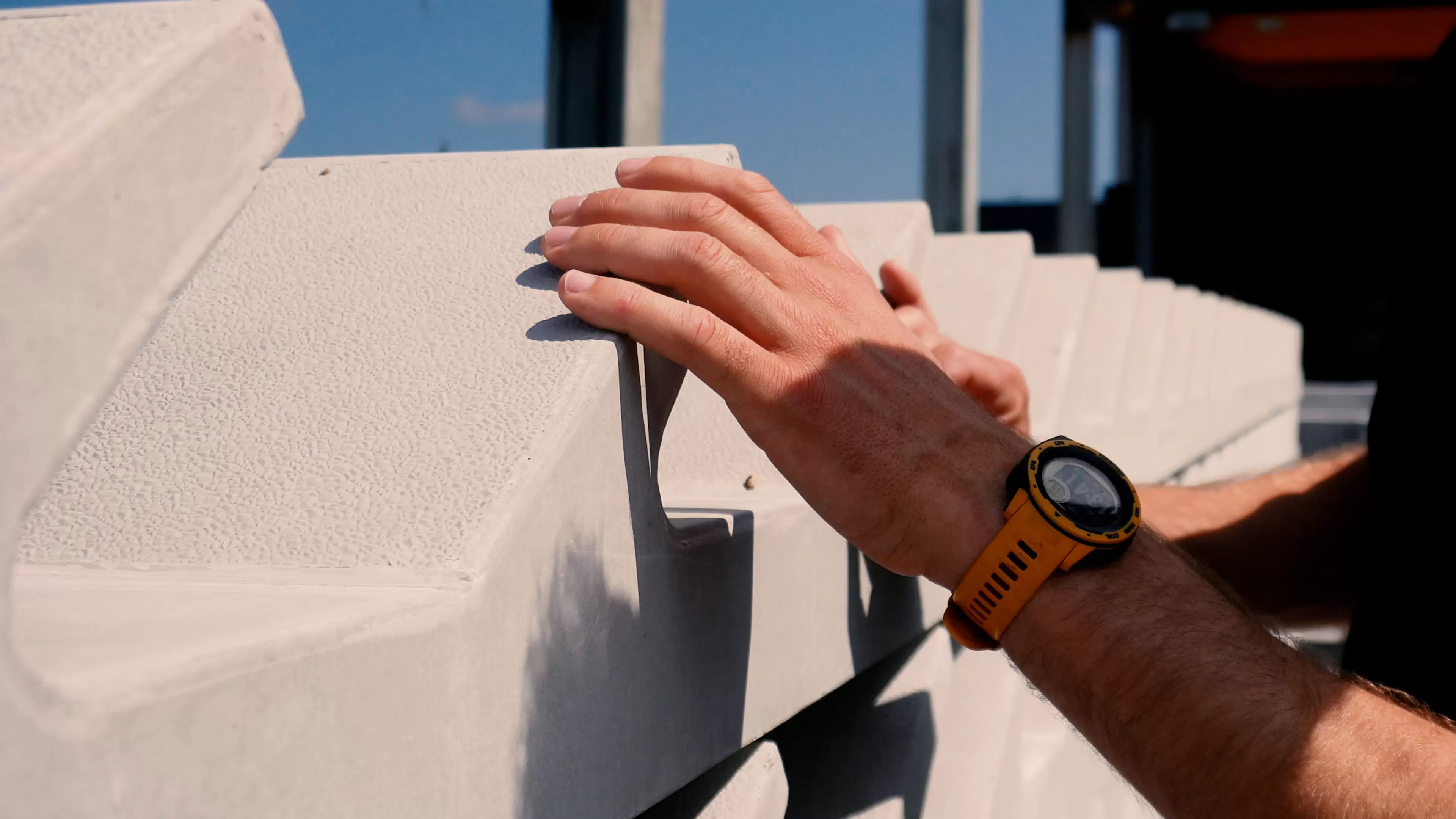
Hi-Con supplies UHPC elements to countries such as the Netherlands, Finland, Spain, and Belgium, but the stricter CO2 requirements for concrete are particularly noticeable in the Danish domestic market. Here, tightening building regulations are driving a shift toward low-carbon cement types like Aalborg White D-Carb, and Hi-Con is also facing higher customer demand for a lower carbon footprint.
Expectations regarding material documentation are taking up an increasingly central role in daily dialogues with Danish developers and advisors.
"It has evolved from the market asking whether you had an EPD for your material to today, where what actually stands in that EPD matters just as much. Having good numbers is essential. There is clearly a growing interest in representing the carbon footprint. This applies to our Danish clients as well as our international customers," says Lasse Frølich, adding that over recent years, Hi-Con has achieved a CO2 reduction of over 20% on their concrete, with Aalborg White D-Carb playing an important role.
From Laboratory Testing to Full Integration in Production
When modifying the recipe for Ultra-High Performance Concrete, nothing can be left to chance. Small variations in the concrete mix design and cement can have a major impact on how the concrete behaves in daily production. Therefore, the transition to Aalborg White D-Carb required close teamwork.
At Aalborg Portland, Product Specialist and Chemical Engineer Malthe Holt Frandsen, together with the rest of the technical team, worked closely with Hi-Con’s team to ensure a seamless transition period:
"First and foremost, it is precisely this technical sparring that helps make the customer feel confident in using cement from Aalborg Portland. At Aalborg Portland, we don’t just want to be a cement supplier; we want to be an active development and collaboration partner. That also means we need to encompass a broad range of technical expertise. Among other things, this means we have a laboratory at our disposal where we assist with testing and analysis. We have broad material knowledge and a deep data foundation, allowing us to also help review and continuously optimize mix designs."
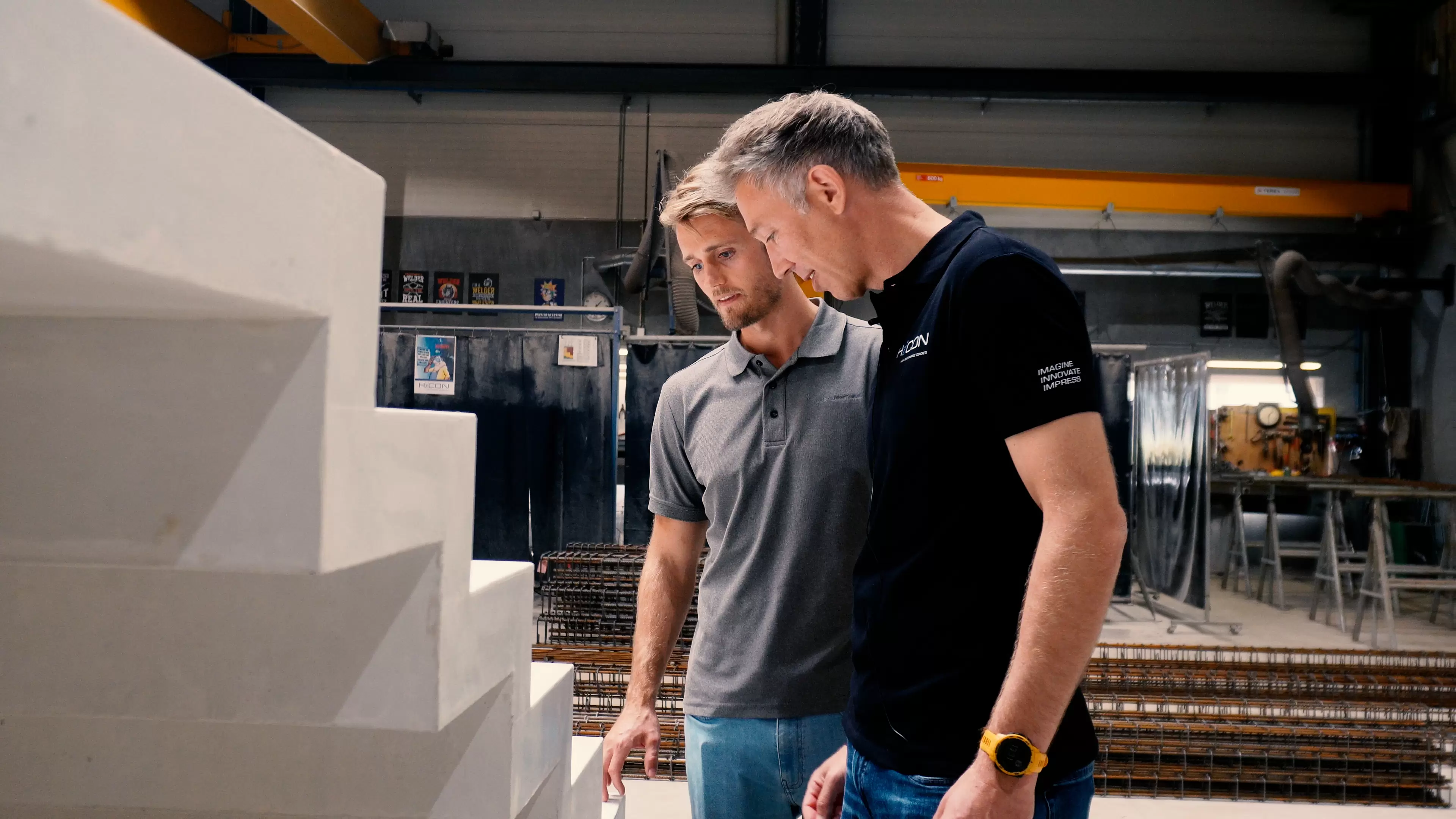
In practice, this close collaboration ensured that extensive testing provided Hi-Con with the necessary data foundation for their final product certification long before the cement was implemented at full scale.
A One-to-One Transition
Aalborg White D-Carb is a CEM II/A-LL limestone cement produced by intergrinding limestone with Aalborg White cement clinker. The technical advantage is clear: you achieve the same well-known high early strength and bright white color, but with a 15% lower carbon footprint from the cement production itself.
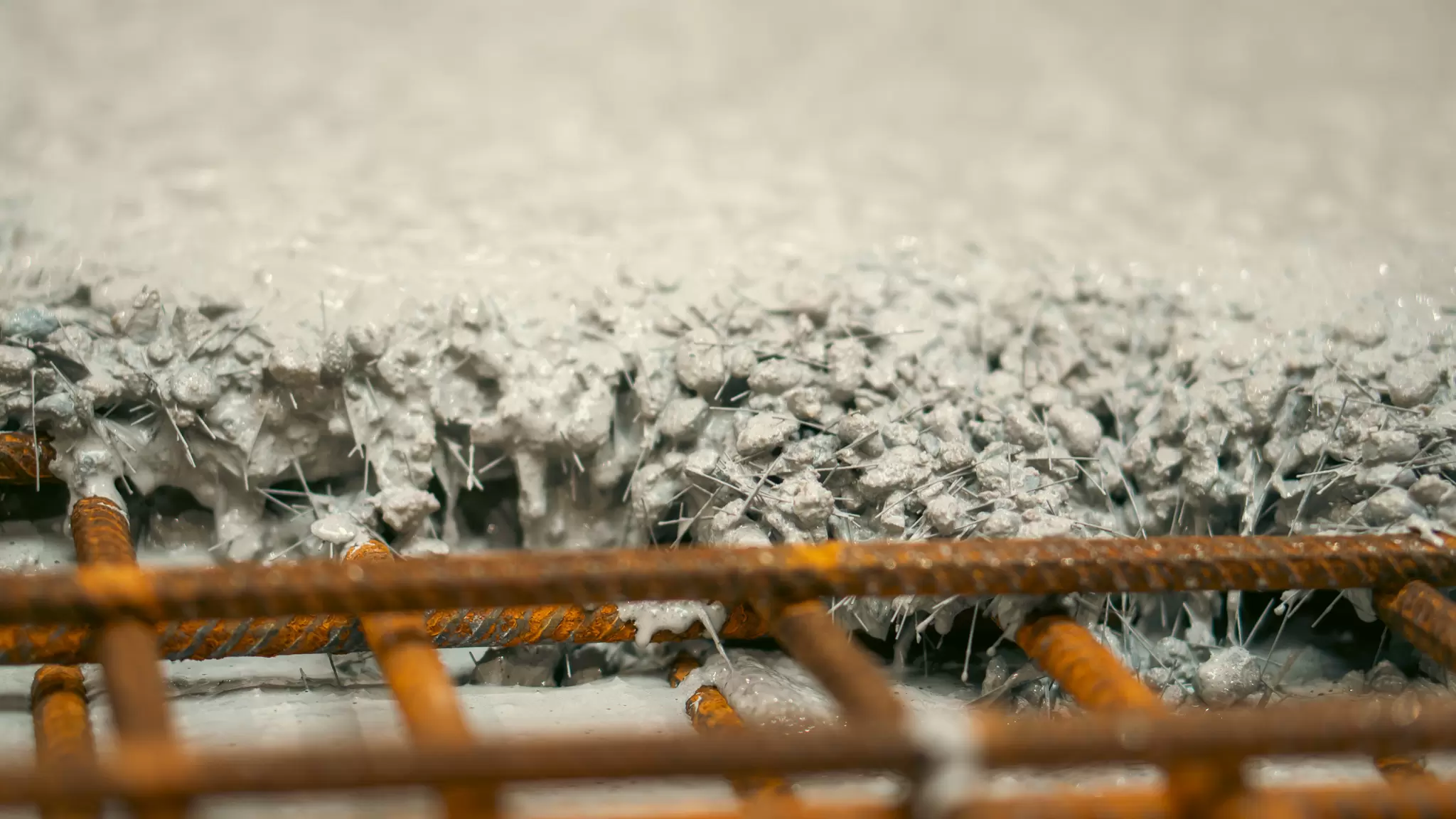
For Hi-Con, the stable and familiar properties of Aalborg White D-Carb have made it possible to transition production without altering the way they work:
"We switched from Aalborg White to D-Carb to reduce our carbon footprint. Previously, there was only one type of cement to choose from. We have specific requirements for the cement when we produce UHPC. Aalborg White suited those needs well, and fortunately, Aalborg White D-Carb does as well. We have actually been able to replace it one-to-one in our production," concludes Lasse Frølich.
A pillar of Aalborg Portland's climate roadmap is precisely to promote low-carbon cements like Aalborg White D-Carb, supporting the ambitious goal of becoming carbon neutral in its own emissions by 2030. It is in this transition that strong collaboration and technical expertise truly come into play. Ultimately, this close partnership ensures that Aalborg Portland’s climate ambitions go hand in hand with Hi-Con continuing to deliver the uncompromising quality and extreme strength of their finished specialized concrete — but with a reduced carbon footprint compared to the cement they used before.
Authors

Mads Hørlyk
Marketing Coordinator, Aalborg Portland
He works with communication and marketing at Aalborg Portland, Denmark’s only cement producer. In his role, he supports brand positioning, content development, and marketing activities across corporate and commercial platforms. His work focuses on translating complex industrial and sustainability topics into clear, relevant communication for key stakeholders.
Recommended Posts
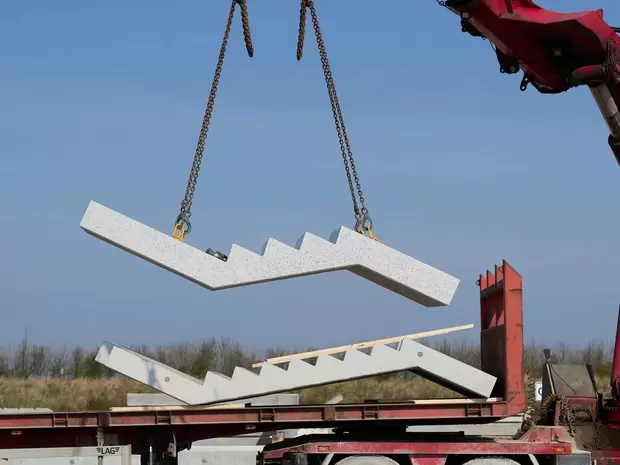
Leth Beton Advances CO2-Reduced Concrete Production
Decarbonizing Urban Spaces - URBASTYLE Adopts D-Carb Lower Carbon White Cement
Share on