
The Weihai Banyue Bay Mixed-Use Project employs Aalborg White cement to deliver a white fair-faced concrete structure, representing a large-scale application of this material. The project showcases innovation in material use, construction approach and landscape integration. Our interview with the construction team explores the design intent, technical delivery and key engineering challenges.
Project Background
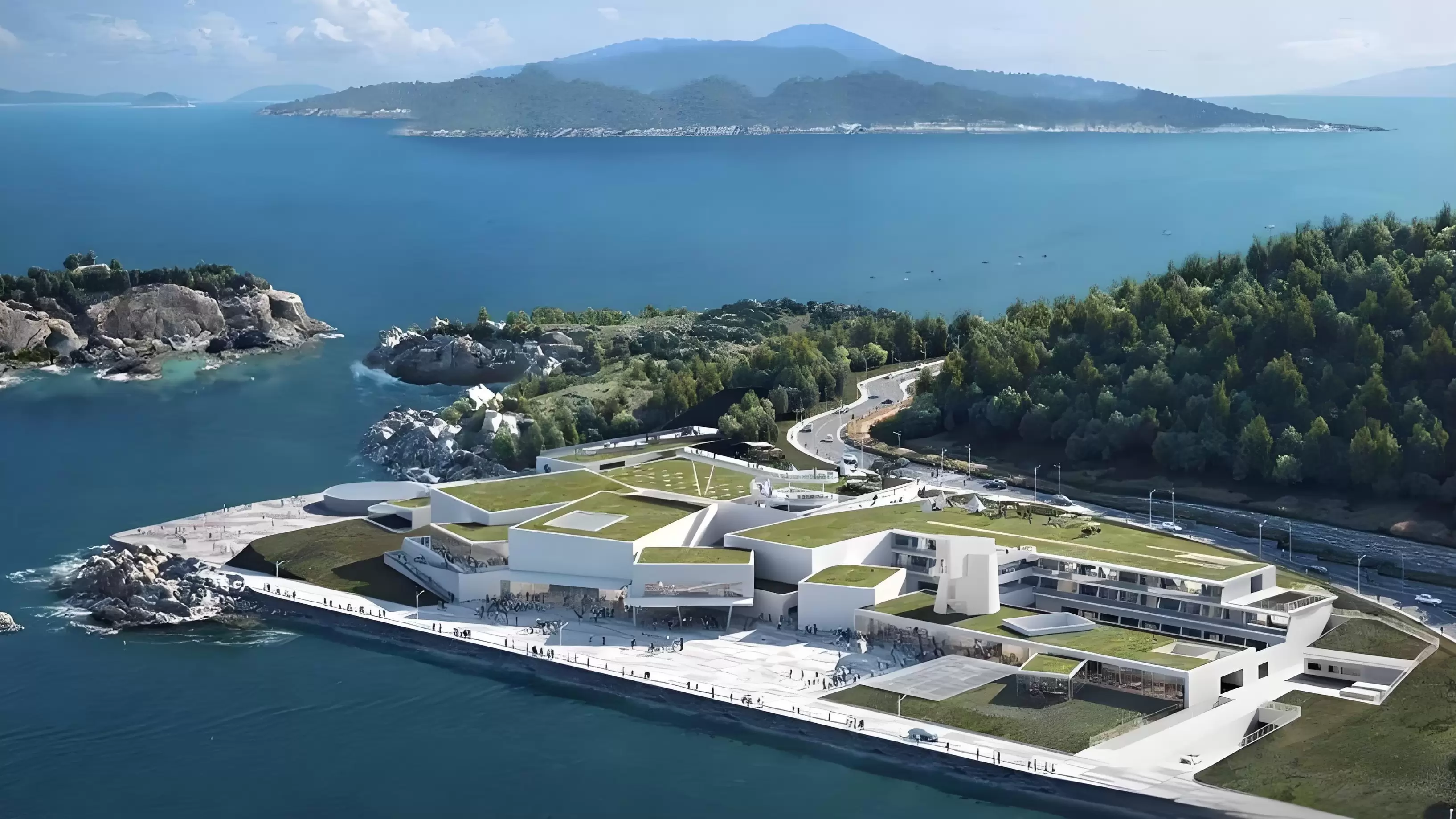
The Weihai Banyue Bay (Half-Moon Bay) Mixed-Use Project comprises two standalone buildings with a total gross floor area of 35,800 m² and approximately 12,000 m³ of white fair-faced concrete. It is conceived as an art industry complex integrating artistic creation, oil painting practice and both online and offline art trading.
Designed by Rurban Studio of Tongji Architectural Design Group, the project is currently under construction and aspires to become “an architectural work integrating landscape and art”. Upon completion, it will be among the largest single buildings in China in terms of the application area of this material.
The refined texture, durability and low maintenance characteristics of white concrete align closely with principles of sustainable aesthetics. The design responds sensitively to the natural level differences along the southern shore of Banyue Bay, adopting a terraced arrangement that metaphorically echoes the sloping terrain. Functional areas are connected by spiral ramps, creating an immersive spatial experience in which nature and culture are seamlessly interwoven.
Why was white cast-in-situ concrete selected as an integrated structural and architectural finish?
Zhou Xiaoyuan: The scheme was led by Professor Lili of Tongji University and guided by the central principle of “preserving the existing mountain-and-sea landscape pattern”. White cast-in-place concrete was chosen as an integrated structural and architectural material due to its strong visual harmony with the natural setting.
As a pure inorganic material, it presents a texture reminiscent of natural stone, making it particularly well suited to a coastal mountain-and-sea environment. It performs reliably in marine environments and is designed to ensure long-term durability.
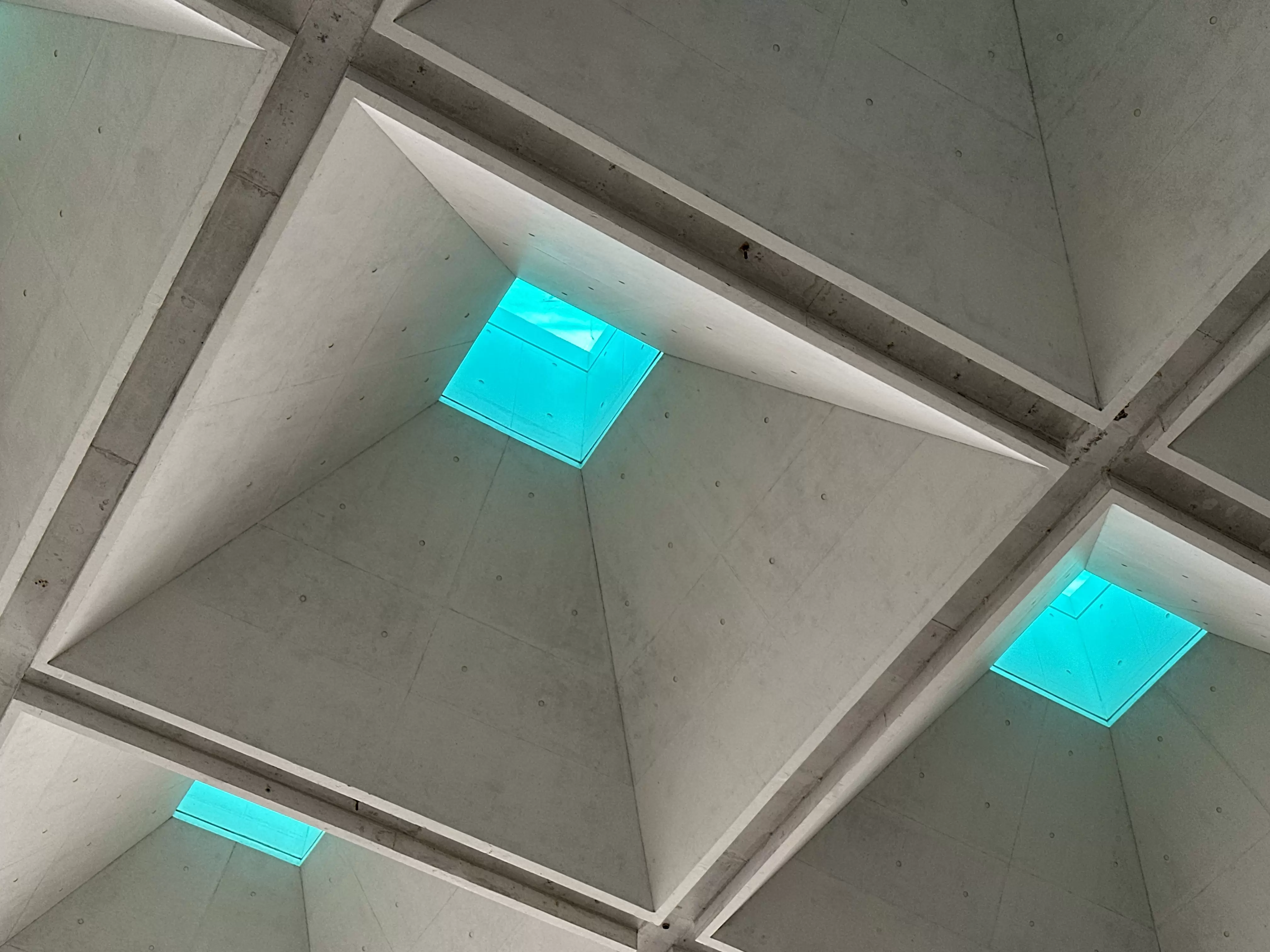
Furthermore, white concrete possesses outstanding plasticity. Complex geometries can be achieved through bespoke formwork. The irregular structures were modelled in Rhino, fabricated using CNC milling technology and digitally coordinated for precise formwork alignment. The concrete was able to accurately replicate the mould geometry, meeting the high standards for refined detailing.
What challenges arose for the cast-in-situ white concrete construction, and how were they addressed?
Zhou Xiaoyuan: One of the principal challenges concerned transportation during the peak tourist season. The batching plant is located 22 kilometres from site, with delivery times extending to 70–90 minutes during busy periods. The team therefore optimised the concrete mix design, extending workability from two hours to two and a half hours in order to ensure the material arrived on site in optimal condition.
Achieving high-quality, one-off fair-faced casting for complex geometries also proved demanding. Owing to irregular forms, walls required phased construction, and logistical restrictions within the scenic area further complicated operations. The team conducted extensive trial mixes to determine optimal discharge timing and specified a dedicated production line to ensure strict colour consistency.
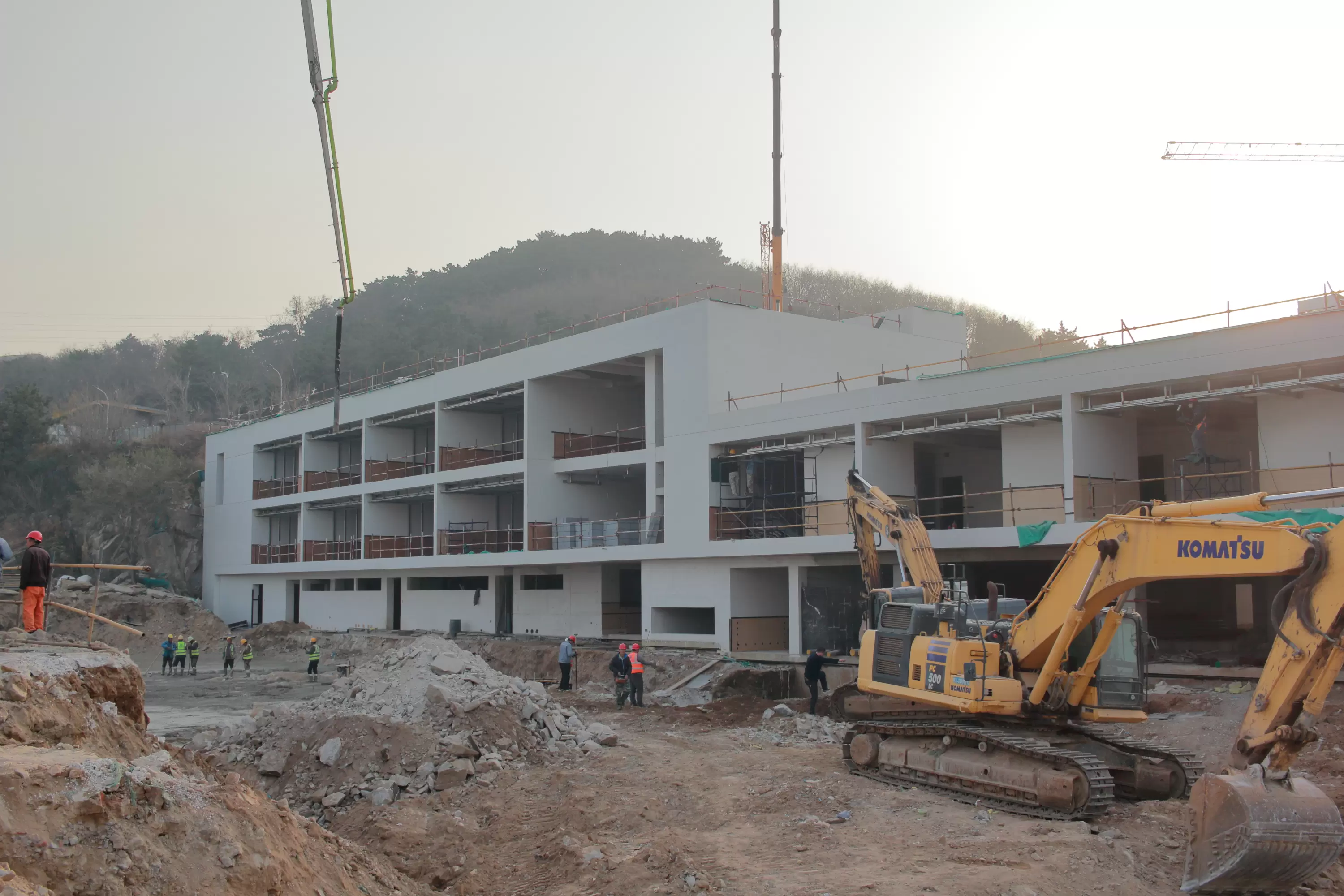
During construction, phased pours were carefully planned, delivery timing and volume rigorously controlled, and formwork removed after 48 hours once strength criteria had been satisfied. Standardised curing procedures were then implemented to safeguard surface quality.
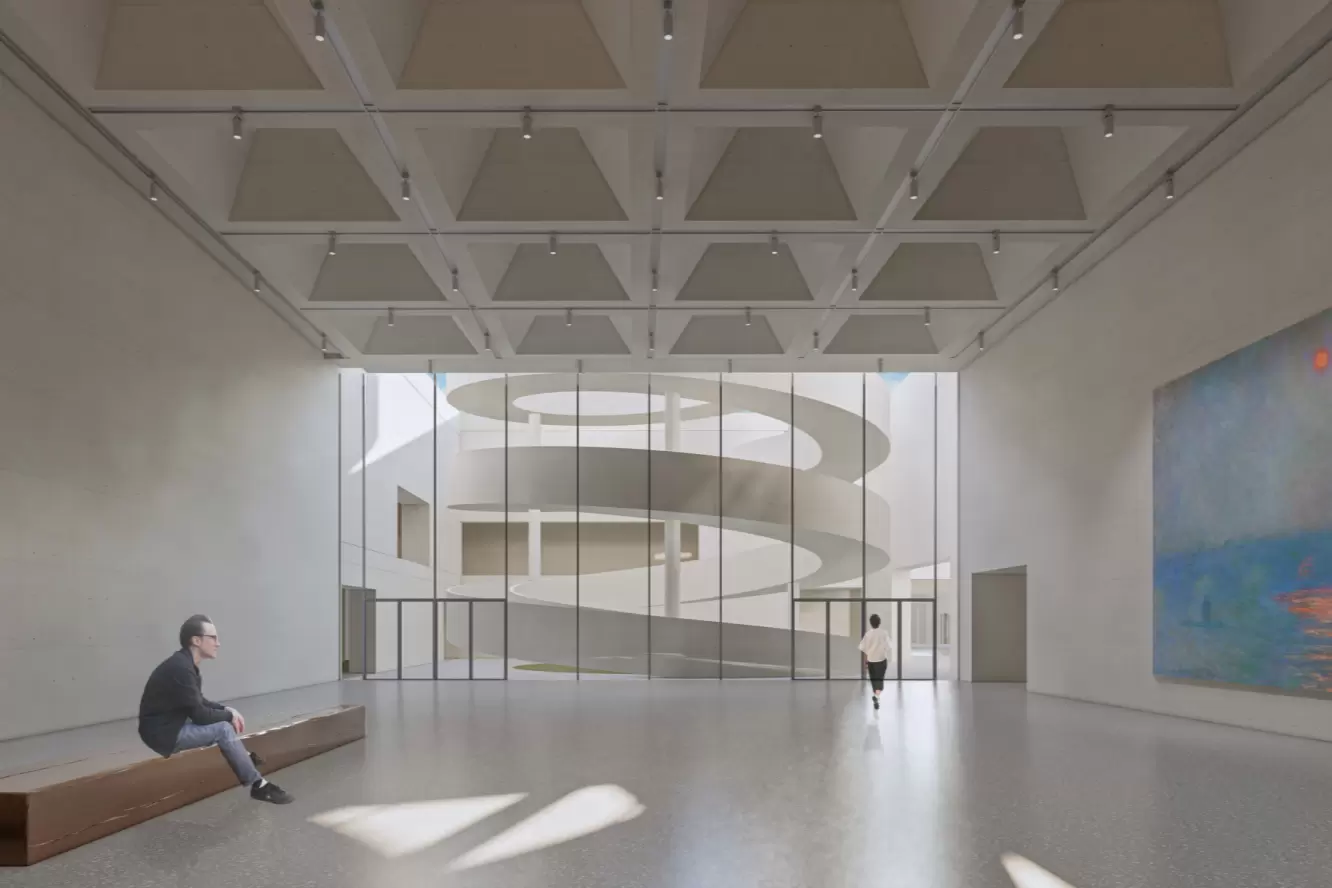
Orignal design scheme(left) and on-site project photo (right)
How was colour uniformity controlled?
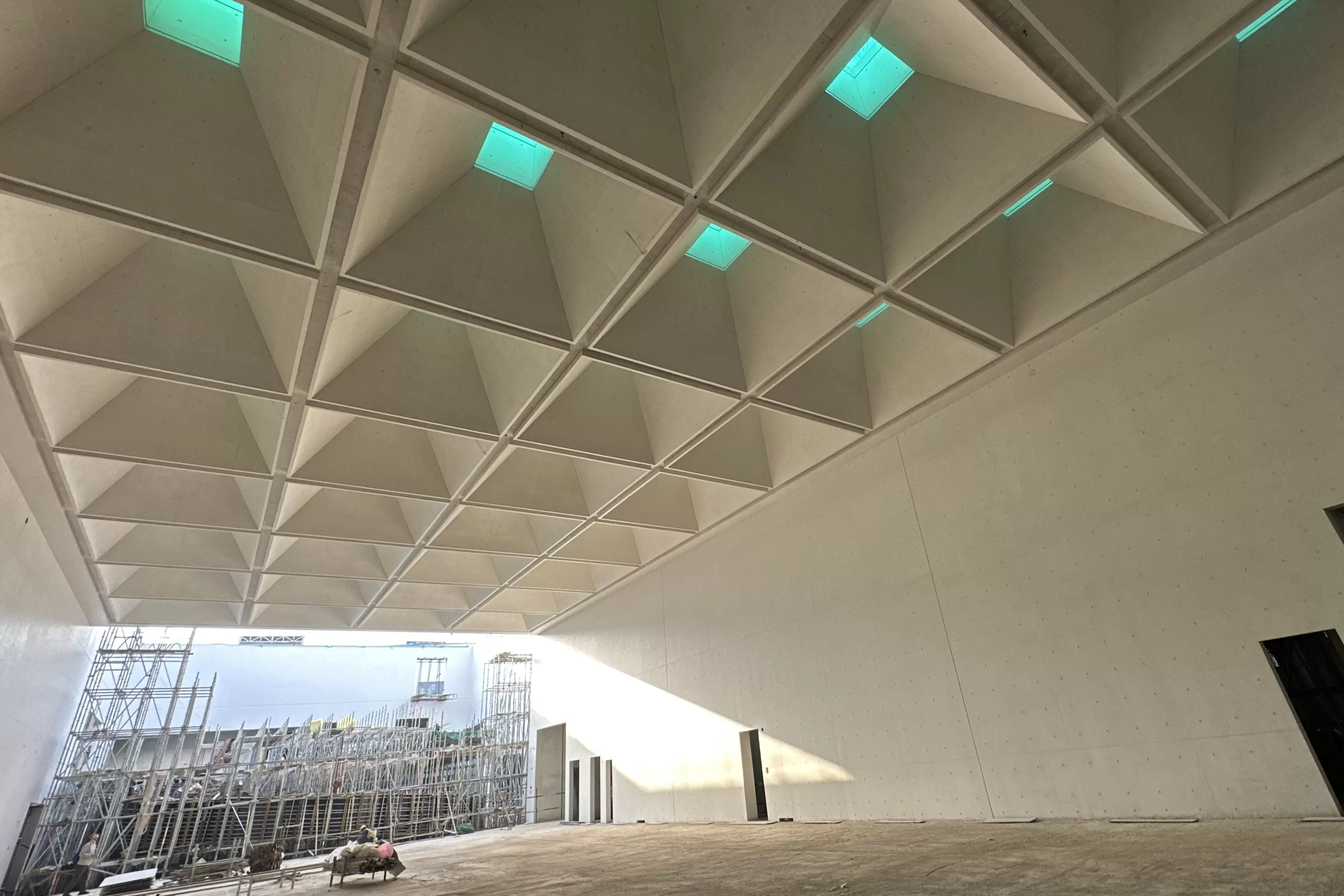
Zhou Xiaoyuan: Colour uniformity was one of the most critical technical challenges, as the concrete had to achieve its final finish in a single casting without large-scale remedial work.
A comprehensive, full-process quality control system was established. Each pour was undertaken by a team of 22–26 operatives, supported by 4–6 supervisors, to ensure precise placement and vibration, thereby preventing colour variations and water staining.
Layered pouring was adopted to guarantee compaction. A summer weather early-warning mechanism was introduced to allow dynamic adjustment of pouring schedules. In collaboration with Qingdao University of Technology, a quantitative whiteness assessment standard was developed. Professional instrumentation replaced visual judgement, enabling systematic monitoring from raw materials through to site execution and significantly reducing the risk of colour variation.
Could you elaborate on the selection and use of formwork?
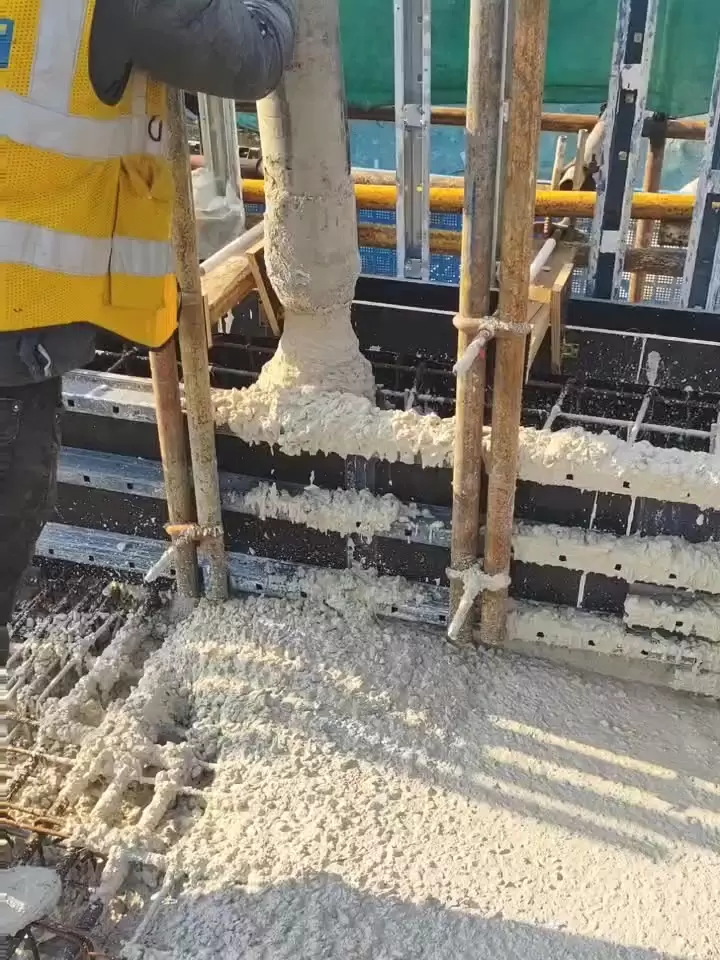
Zhou Xiaoyuan: The project utilised 17 mm-thick, 11-ply eucalyptus fair-faced formwork panels, finished with double sanding and combined with high-grade Finnish phenolic film, offering excellent hardness, stiffness and surface smoothness.
Given the design requirement that concrete porosity remain below 0.3%, conventional release agents were deemed unsuitable, as they could compromise whiteness or prove ineffective over the construction cycle. The team therefore dispensed with release agents altogether. Instead, the formwork was used on a single-use basis without secondary reuse, ensuring a mirror-like concrete surface finish.
In view of the coastal climate, how was durability ensured?
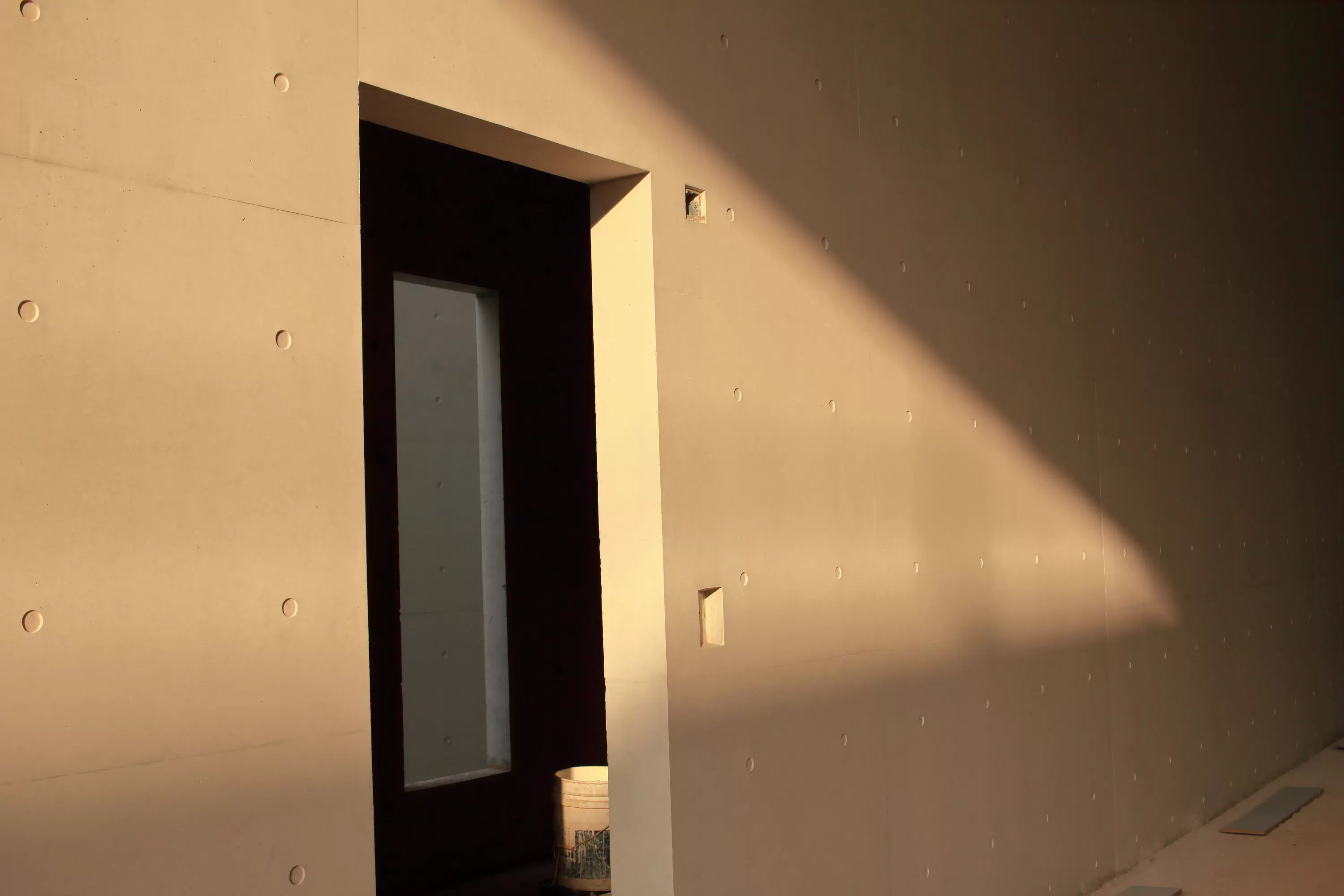
Zhou Xiaoyuan: The concrete mix was designed in accordance with Class III E-level marine chloride exposure standards (per Chinese GB standards). The project team collaborated with the Harbin Institute of Technology (Weihai Campus) and Qingdao University of Technology over an eighteen-month period to undertake durability research.
Following the award of the contract in May 2024, material research commenced. Multiple sample tests and trial blocks were conducted to determine the final colour selection. When initial freeze–thaw performance did not meet the required standard, the team carried out 56 major experimental groups and 393 smaller sample tests in partnership with Qingdao University of Technology. Centred on achieving an F300 freeze–thaw resistance rating, the mix was refined to balance durability performance with colour consistency.
Does the project incorporate sustainable measures, and when is completion anticipated?
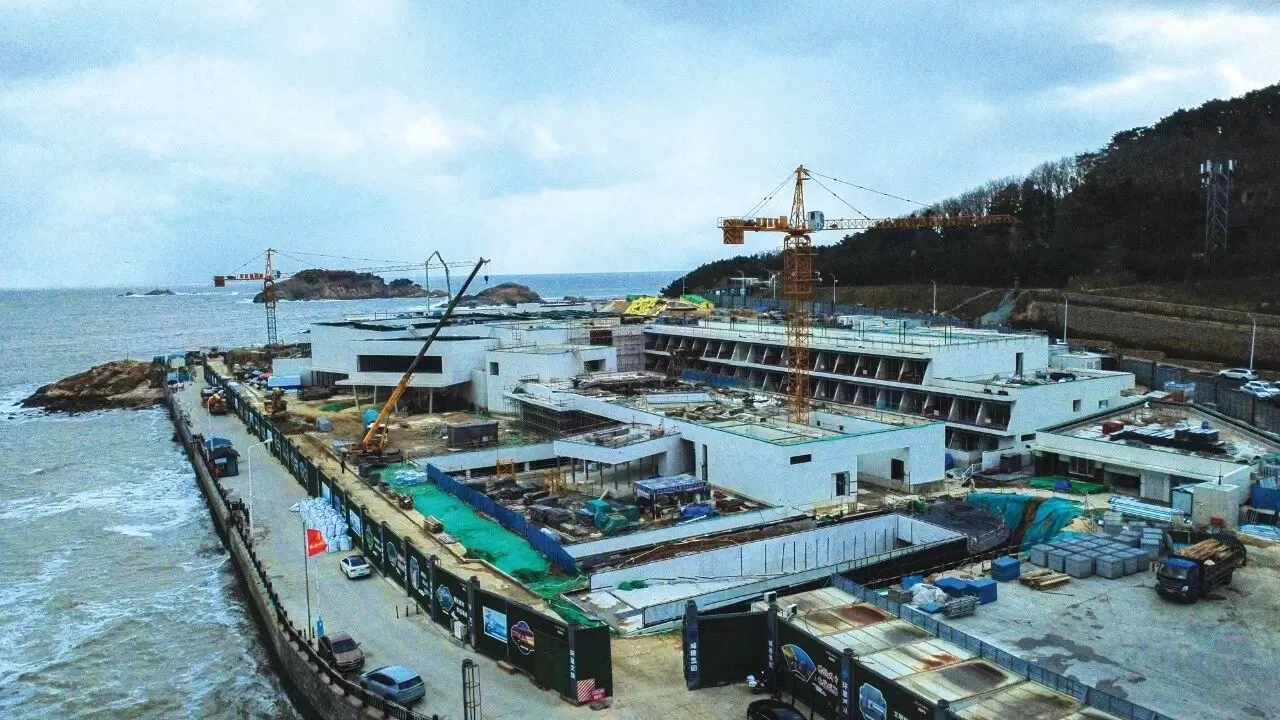
Zhou Xiaoyuan: Sustainability is integral to the scheme. Measures include rainwater harvesting systems and permeable paving. The development has been planned in accordance with China Green Building Two-Star standard, and relevant certification applications are in progress.
The main structural works are largely complete. The team is currently addressing the remaining technical challenges associated with irregular white fair-faced concrete construction. Completion is anticipated in July 2026.
Project information:
Developer: Weihai Huansheng Culture and Tourism Development Co., LTD
Contractor: Weihai Construction Group Co., Ltd.
Architect: Rurban Studio (TJAD)
White Cement: Aalborg White
Voice of Contractor
Authors

Zhou Xiaoyuan
Project Manager, Weihai Construction Group
With 18 years’ professional experience, Senior Engineer and National Registered Constructor. He has served as project manager on numerous key public projects in Weihai, including educational, infrastructure and logistics developments. His projects have received multiple provincial honours, including the Shandong Taishan Cup and Provincial Quality Structure Awards.

Ella Bi
Group White Cement Marketing Manager with over 15 years of experience in the white cement industry. She drives the Aalborg White ® brand and its innovative, lower-carbon product portfolio, including InWhite® solution and D-Carb®, through integrated marketing communications. She develops the White-Hub platform, fostering a global white cement industry ecosystem and strengthening the brand’s international presence.
Recommended Posts
432 Park Avenue NYC | White Cast-In-Situ Concrete

Paper Mountain: China Xuan Paper Town | White Cast-In-Situ Concrete
Share on